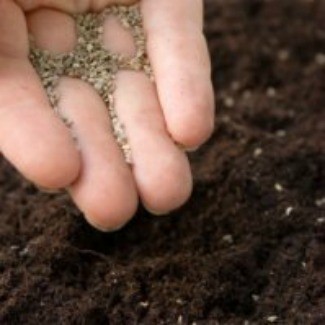
 I stopped using peat moss discs for seed starting many years ago when I learned that the peat bogs were being decimated by this practice. Instead, I save my eggshells throughout the year and fill them with my own homemade compost. Here's how:
Tip: Some seeds may require bottom heat which can be accomplished with placing the carton on top of your refrigerator, water heater, or a heat mat. You can also make a little greenhouse out of a bakery plastic container, so you will not have to water very much.
By littlegamma from Southern, AL
This page contains the following solutions.
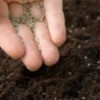
To sow all those fly away seeds, simply lay paper towels in your flower beds, wet, and then put seeds directly on the towel. Cover with soil and water as needed. Presto! You will have flowers popping up in no time and the paper will simply rot in the ground!
I always soak my pea and bean seeds 24 hours before planting. I cover them with water in containers and set them on the kitchen counter. They spring up so quickly when planted in this way.
It is "sow" (pardon the pun) hard to sow small seeds into seed planters trying to get a head start on outdoor plants. But I had wooden toothpicks separating the seeds and I just wet the toothpick and a single seed would stick to it and I could then put it where I wanted it.
When starting flowers from seed, I mark each hydrated pod with a push pin to identify which pods contain a particular flower. For example, yellow for marigolds, red for zinnias, blue for petunias, etc.
Here are the questions asked by community members. Read on to see the answers provided by the ThriftyFun community.
Can lawn weed killer be used in flower beds that are not planted with seeds? It has lilies and flowering trees. If so how long before sowing seeds?
By Dotfred
I personally wouldn't suggest this at all. Any time of weed killer will kill all plants in the area. Plus the weed killer will get into the dirt and you'll need to wait 60 to 75 days before planting in this area again.
Weed killer should be used on grass only. It will kill everything else.
Should I put a layer of dirt between the seed and the fertilizer or can I put the seed right on top of the fertilizer?
By Bruce R.
Depends on the type of seed, soil and moisture conditions, temperature, soil condition, etc. If you have the seed packet, follow the instructions on the packet.
Most seeds have their own energy supply and should not be fertilized, particularly if planted in well amended soil. You can start with a small amount of fertilizer, scratched lightly into the soil around the plants after they have developed two true leaves.
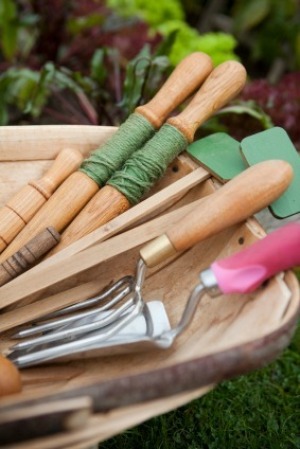
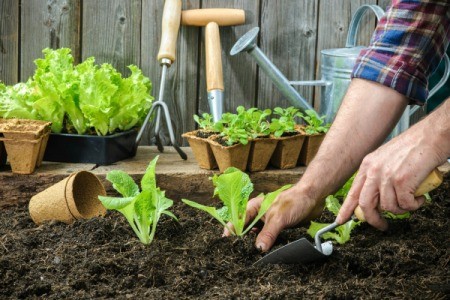
This is a page about tools to make planting and sowing easier. Having the right tools for the job is always a good idea. This is no less true of gardening.
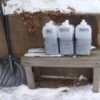
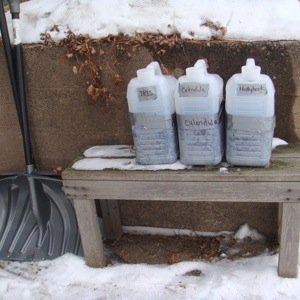
This is a page about winter sowing seeds. Invite nature into your gardening experience by giving winter sowing a try.
This is a page about direct sowing seeds. Many flowers and vegetables grow quite well by sowing the seeds directly in the ground in your garden.