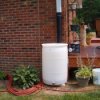
Anyone with a roof, sidewalk or driveway has storm water runoff from rain and snow. And if you have any runoff at all, you're contributing to water pollution. Most water pollution falls under the category of 'nonpoint' source pollution (pollution that comes from several sources, including industry and individuals). Planting a rain garden is one way gardeners can help improve water quality. It's also attractive and it's an easy do-it-yourself project. Here are some basics on how to get started.
In the same way that wetlands do, rain gardens act as bioretention systems for storm water runoff. Instead of allowing water to run off your property and carry pollutants directly into city storm drains, rain gardens act as sponges by soaking up the storm water runoff and filtering out pollutants before the water seeps back into local aquifers or into lakes and streams. Think of it as rainwater recycling. Rain gardens also provide valuable habitat for birds, butterflies and beneficial insects, they enhance the beauty and appeal of your property and they help reduce flooding.
When siting a rain garden, it's important to select an area in your landscape where the garden will catch the most runoff. This is always at least 10 feet away from your house in order to prevent water from seeping into the foundation. The size of a rain garden usually ranges from 100 to 300 square feet, and the slope of your lawn is used to determine the best depth (typically 4 to 8 inches deep). Other factors such as view and where your property tends to be wettest also play a role in deciding overall placement.
Rain gardens vary in cost according to size, plant selection and whether you hire a landscaper to do the work (approximately $10-$13 per square foot) or you do the work yourself ($3 to $5 per square foot). The average rain garden can be dug in as little as 2-6 hours. Many nurseries offering native plants also install rain gardens and can offer assistance in selecting the best plants (native and otherwise) for your rain garden.
It's a common misconception that rain gardens are hard to maintain and are nothing more than a haven for mosquitoes. Not true. Mosquitoes need from 7 to 12 days to hatch eggs. The small amount of water that collects in a rain garden takes only a few days to soak into the soil, so the garden will dry out long before that. Maintaining a rain garden isn't any harder than maintaining a regular garden. Like any garden, it will need regular weeding until the plants become established and seasonal clean up of dead plant debris.
A quick search using the keywords 'rain garden' will steer you toward a number of good online resources. One is the Rain Garden Network. This site was developed to give property owners and communities' simple, inexpensive solutions to combating storm water pollution through rain gardens.
Another is the University of Rhode Island's Healthy Landscapes website. It contains great information including links to free, downloadable "How-To" manuals for homeowners.

About The Author: Ellen Brown is an environmental writer and photographer and the owner of Sustainable Media, an environmental media company that specializes in helping businesses and organizations promote eco-friendly products and services. Contact her on the web at http://www.sustainable-media.com
Add your voice! Click below to comment. ThriftyFun is powered by your wisdom!