ThriftyFun Logo
Home   Find   Ask   Share   Answer   Join   Index   Login  
 
 User Login:  Username:    Password:      Forgot It?  | Join ThriftyFun!

 - Beauty
 - Budget and Finance
 - Cleaning
 - Consumer Advice
 - Craft Projects
 - Craft Tips
 - Food Tips
 - Garage Sales
 - Gardening
 - Gifts
 - Green Living
 - Home Improvement
 - Organizing
 - Parenting
 - Parties
 - Pest Control
 - Pets
 - Product Reviews
 - Recipes
 - Repair
 - Weddings for Less

RSS Feed
About Us
Media
Advertising
Contact Us
Privacy Statement
Disclaimer

Garden Insects: Armyworms (Beet & Fall Armyworms)

By Ellen Brown
1x1
Date: 08/12/2006 Topics: Gardening > Pest Control > Garden Insect Guides | Pest Control > Worms  
1x1
Post Feedback | Get Responses | Bookmark | Link | Print | Print (With Feedback) | Rate: Thumbs Up Thumbs Down | Bookmark and Share
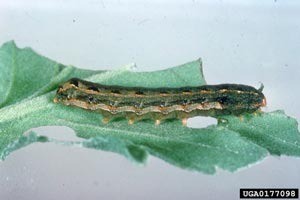
Subject: Armyworm<br>Citation: Central Science Laboratory Harpenden Archives, British Crown, <a href="http://www.ipmimages.org">www.ipmimages.org</a>
Subject: Armyworm
Citation: Central Science Laboratory Harpenden Archives, British Crown, www.ipmimages.org

Identification

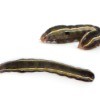
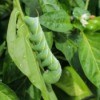
Although there are many species of this pest, beet and fall armyworms are the most common species in the backyard garden. Beet armyworms are usually pale green in color with yellow stripes down the center of their backs and along their sides. Their heads have a distinct honeycomb pattern. Fall armyworms come in many colors, usually gray to yellow-green with stripes down their sides, and have a distinct inverted "Y" marking on their head. Both types of armyworms grow to a length of about 1 1/2 to 2 inches. The adult moths are a pale gray-brown color and usually lay their eggs in grasses and corn. Newly- hatched caterpillars have a looping or inchworm-like movement. Armyworms are common to the U.S. and Canada east of the Rocky Mountains.

Favorite Plants

Armyworms attack many garden crops, deciduous trees and shrubs.

Damage

Armyworms are voracious eaters. As eggs hatch, caterpillars start feeding on grasses and stalks and then march on to other plants as they run out of food. Armyworms feed primarily at night or during overcast skies and can easily defoliate entire plants overnight.
Organic Methods of Control:

Cultural or Mechanical

  • Cover seedlings with floating row covers until harvest.

  • Control weeds.

  • Keep grass mowed.

  • Interplant strong smelling herbs.

  • Use light traps for capturing night-flying moths.

  • Hand pick caterpillars.

Biological

  • Unleash lacewings or use nematodes as mulch.

  • Dust plants with Btk (Bacillus thuringiensis kurstaki).

Chemical

  • Spray plants with neem oil.
(1x1 graphic )
Previous: Garden Insects: Bagworms ThriftyFun Next: Mattress Reviews and Advice
(1x1 graphic )
1x1
1x1
 Feedback
1x1
1x1
1x1

No Feedback Yet

Be the first to post feedback! Click here to post feedback.

1x1
1x1
 Post Feedback:
1x1
1x1
1x1

Login using the form on the top of the page to post feedback (if you are a registered user). If you have not yet registered, click here to do so. It's FREE!.

1x1
(1x1 graphic )

© 1997-2009 ThriftyFun.com - Design by Cumuli Design
Disclaimer: ThriftyFun.com cannot accept any responsibility for any injury or damage that you may cause to yourself, others, or property when following any advice given on this site. Read the full disclaimer. If you find any information on ThriftyFun.com or in our newsletters that is either erroneous and/or potentially harmful to others, please Contact Us, immediately.