Observing the eclipse is fun and easy with a pinhole viewer that you can build at home. It is not safe to view the sun directly. If you want to observe the eclipse please use the pinhole viewer described here or equipment specifically designed for sun viewing. The direct sun can damage your eyes through sunglasses, film negatives, mylar balloons, and other filters. Never look at the sun through a telescope or binoculars.
Supplies
Advertisement
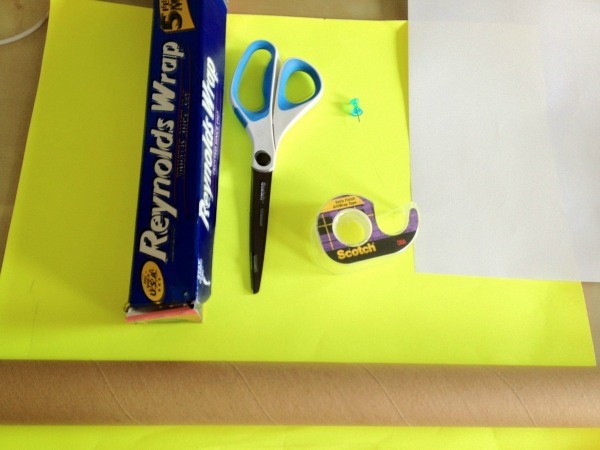
cardboard wrapping paper tube, about 3 feet long
sheet of white paper
aluminum foil
scissors
tape
push pin
Assembly Instructions
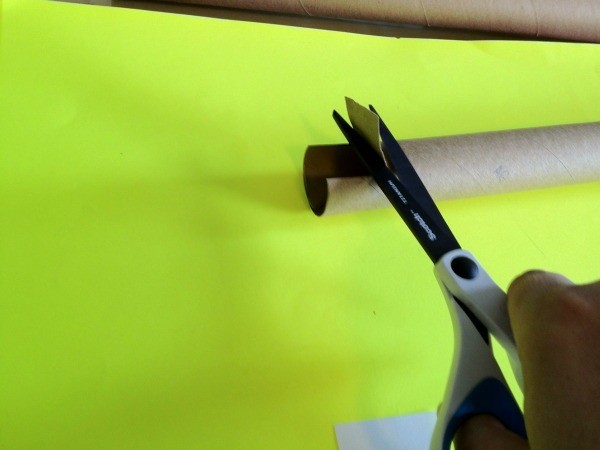
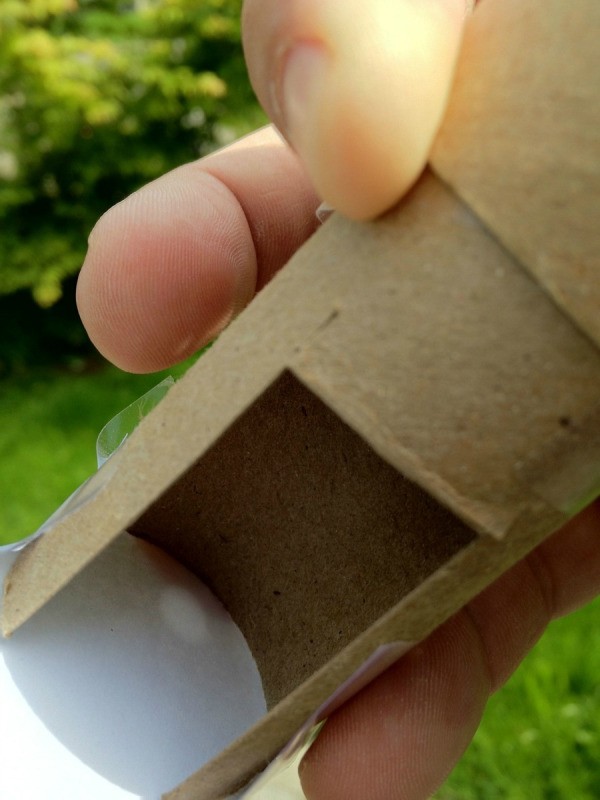
Cut a slot out of the bottom of the wrapping paper tube about 1 inch high and 1 inch wide.
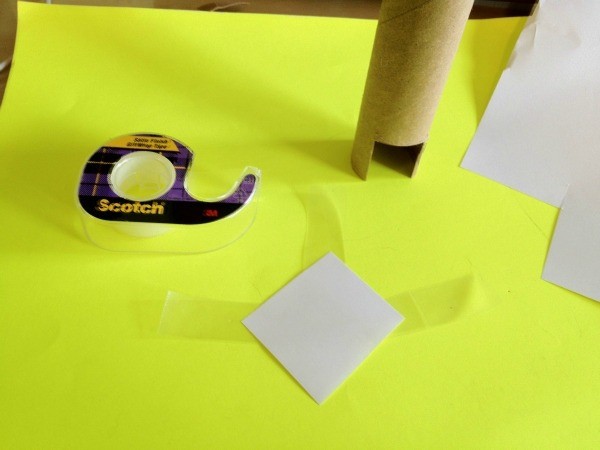
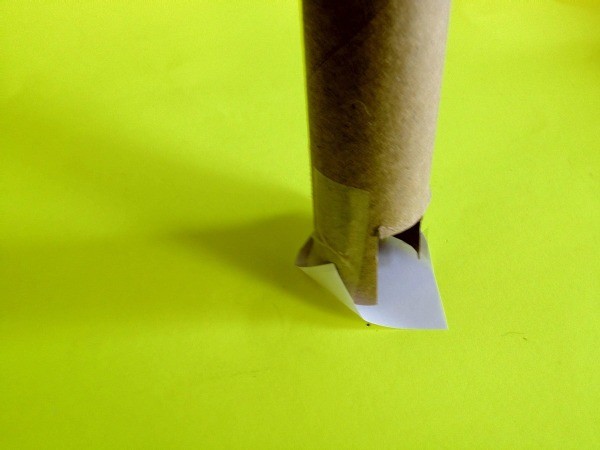
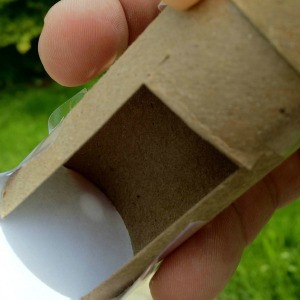
Cut a square out of the white paper a little bigger than the diameter of your wrapping paper tube. Tape the paper over the end of the tube with the slot. You will view the sun on the inside surface of the paper.
I found it easiest to put the tape on the paper first and then affix it to the tube one corner at a time.
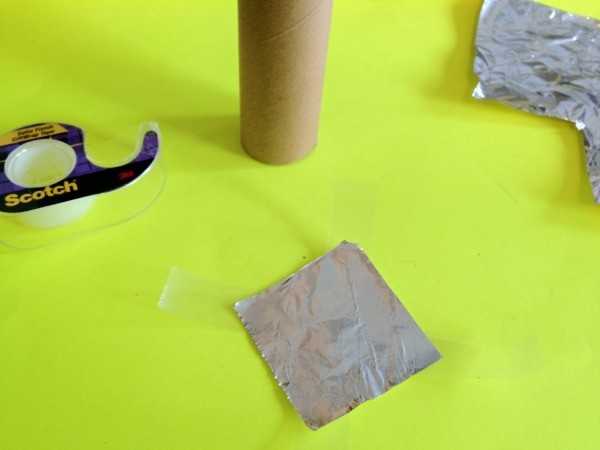
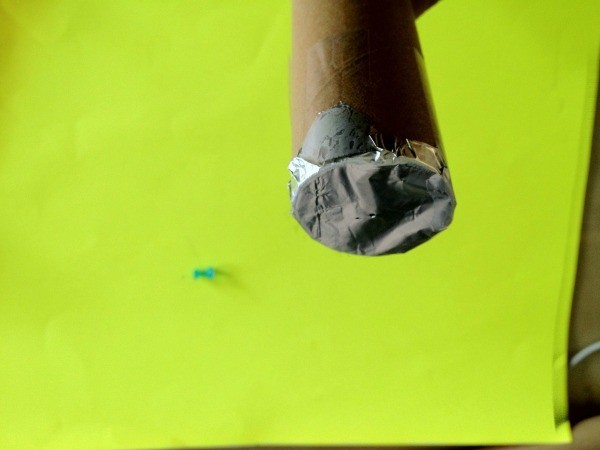
Cut a square out of the aluminum foil a little bigger than the diameter of your wrapping paper tube. Tape the aluminum foil over the other end of the tube. Smooth down the sides of the foil to get a tight fit across the top of the tube.
With the push pin put a tiny hole in the aluminum foil right at the center of the tube. The sun will go through this hole.
Viewing Instructions
Advertisement
Take your tube outside to a sunny spot.
Hold the tube so the aluminum foil side is pointed toward the sun and so you can see inside the slot at the bottom.
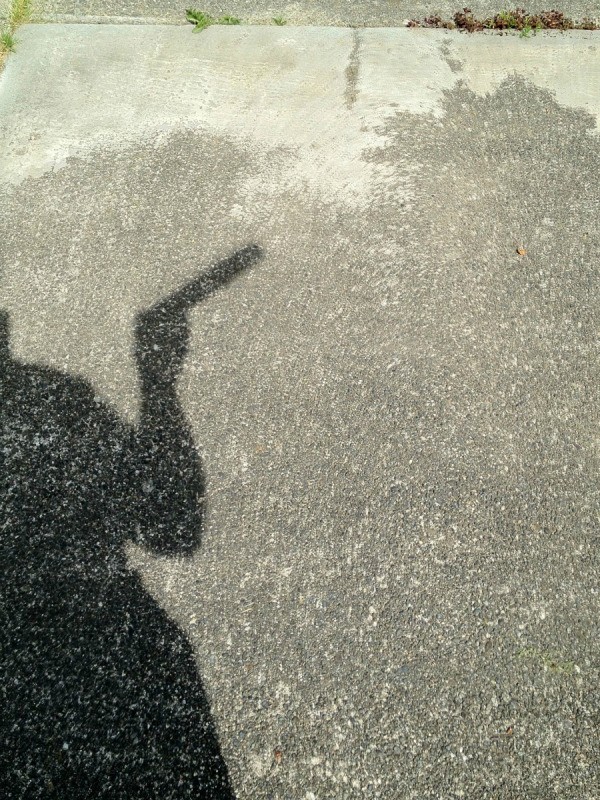
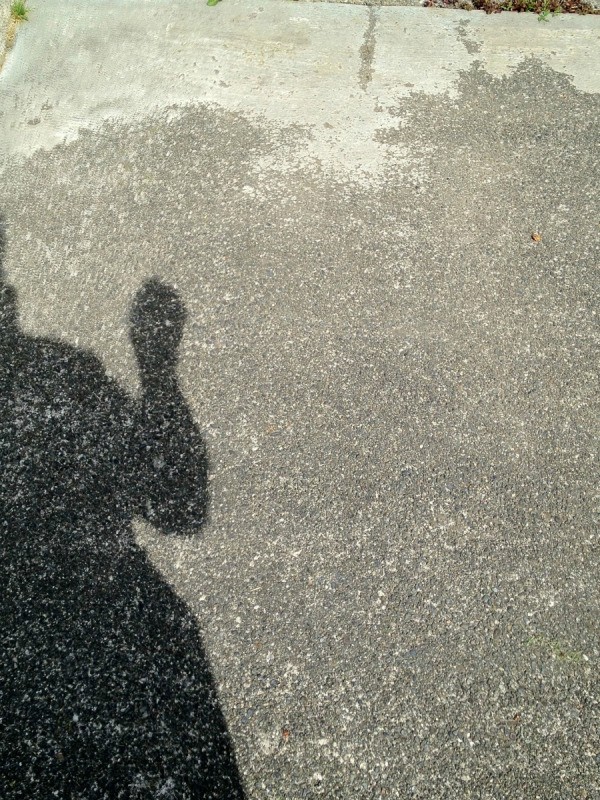
Look at your shadow on the ground and adjust the tube until its shadow completely disappears. Move it around gently until you see the disk of the sun come into view.
The sun should be about the size of a dime.
If you want a bigger image you need a longer tube. I was able to take two cardboard tubes which nested just inside each other to double the length. I taped a paperclip to the inner tube so it couldn't slip all the way into the outer tube. Affix the aluminum foil to the outer tube and the paper viewer to the inner tube for best results. Start with the tubes nested, find the image of the sun, and then gently extend the outer tube keeping the image of the sun in view.
 Observing the eclipse is fun and easy with a pinhole viewer that you can build at home. It is not safe to view the sun directly. If you want to observe the eclipse please use the pinhole viewer described here or equipment specifically designed for sun viewing. The direct sun can damage your eyes through sunglasses, film negatives, mylar balloons, and other filters. Never look at the sun through a telescope or binoculars.