ThriftyFun Logo
Home   Find   Ask   Share   Answer   Join   Index   Login  
 
 User Login:  Username:    Password:      Forgot It?  | Join ThriftyFun!

 - Beauty
 - Budget and Finance
 - Cleaning
 - Consumer Advice
 - Craft Projects
 - Craft Tips
 - Food Tips
 - Garage Sales
 - Gardening
 - Gifts
 - Green Living
 - Home Improvement
 - Organizing
 - Parenting
 - Parties
 - Pest Control
 - Pets
 - Product Reviews
 - Recipes
 - Repair
 - Weddings for Less

RSS Feed
About Us
Media
Advertising
Contact Us
Privacy Statement
Disclaimer

Growing: Phlox

By Ellen Brown
1x1
Date: 03/15/2006 Topic: Gardening > Growing Guides > Perennials  
1x1
Post Feedback | Get Responses | Bookmark | Link | Print | Print (With Feedback) | Rate: Thumbs Up Thumbs Down | Bookmark and Share
Growing: Phlox
Botanical Name: Phlox
Life Cycle: perennial ( some annual varieties)
Planting Time: spring
Height: 6' to 4'
Exposure: sun to shade depending on phlox type
Soil: average to rich, moist, well-drained soil
Hardiness: zones 3 to 8
Bloom Time: summer
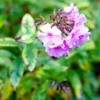
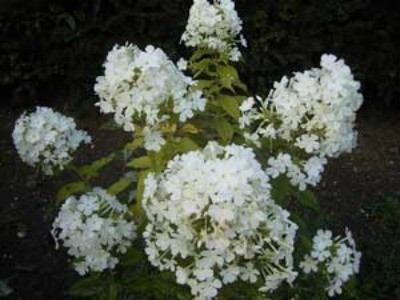
Flower: variety of colors including crimson-red, magenta-pink, white, pink, lavender and purple
Foliage: narrow green leaves on sturdy upright stems
Propagation: seeds and cuttings
Suggested Use: beds, borders, rock walls, mass plantings, and groundcover mats
Growing Hints: Several species of phlox are commonly grown in the gardens of North America. Moss phlox is a low growing variety that thrives in full sun. Wild blue phlox and creeping phlox both form broad clumps of fragrant flowers suitable for shade gardens. Tall garden phlox needs staking and is most susceptible to powdery mildew. Annual varieties can be grown from purchased transplants or seeds sown directly into the garden several weeks before your last frost date. Perennial phlox should be started from purchased plants to ensure you get the exact colors you desire. Phlox are low maintenance with the exception of being susceptible to powdery mildew. Cut off spent flower heads to keep plants blooming and to avoid future seedlings of different colors from crowding out your original plants. Divide plants in the spring after flowering or take cuttings in the summer to flower the following year.
Interesting Facts: New cultivars resistant to powdery mildew include David', Pax', Katherine' and Sandra.'
(1x1 graphic )
Previous: Growing: Primrose ThriftyFun Next: Growing: Peony
(1x1 graphic )
1x1
1x1
 Feedback
1x1
1x1
1x1

No Feedback Yet

Be the first to post feedback! Click here to post feedback.

1x1
1x1
 Post Feedback:
1x1
1x1
1x1

Login using the form on the top of the page to post feedback (if you are a registered user). If you have not yet registered, click here to do so. It's FREE!.

1x1
(1x1 graphic )

© 1997-2009 ThriftyFun.com - Design by Cumuli Design
Disclaimer: ThriftyFun.com cannot accept any responsibility for any injury or damage that you may cause to yourself, others, or property when following any advice given on this site. Read the full disclaimer. If you find any information on ThriftyFun.com or in our newsletters that is either erroneous and/or potentially harmful to others, please Contact Us, immediately.