Many vegetables, like tomatoes, beans, squash and peppers need soil temperatures to reach nearly 70ºF before their growth can really take off. By solarizing your soil a month before you set out your warm-weather vegetables, you can fast forward your garden calendar and speed up your harvest by as much as two weeks!
Solarizing your soil accomplishes two things. First of all, it increases the temperature of your soil so plants can get off to a faster start. The faster your plants mature, the earlier you can harvest them. Even on cloudy days the sun still works some magic, but on clear, sunny days the sun can raise the air under the plastic to a blistering 160ºF. This is enough to warm the top layer of soil to a depth of 6 to 8 inches (a perfect depth for the roots of young plants). During solarization, the high temperatures also kill the seeds and roots of any weeds residing in the upper layers of the soil, as well as harmful microorganisms.
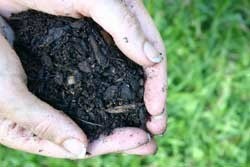
To prepare your soil for solarization, start by gently turning over the soil in the area you will be planting. Do this about a month before you normally set out your warm-weather vegetables. You don't need to dig deep, just down far enough to remove any surface weeds and leftover plant debris from last fall.
After preparing the soil, lay the plastic down over the area you want to preheat. Cover the edges of the plastic with a little soil to weigh it down and keep cold air from seeping in. To keep the plastic tight, place rocks or small stakes around the perimeter or try tucking the edges of the plastic into the soil.
After about four weeks your soil should be sufficiently warm to start some warm weather crops like beans, squash, tomatoes, peppers, and eggplants. You can either remove the plastic or leave it on and cut holes or slits in it for planting. Let the soil dry a bit until it reaches the right consistency for planting.
When planting, try to keep your holes and furrows fairly shallow so you disturb the soil as little as possible. Only the weeds and weed seeds in the upper layer of soil have been solarized, so you want to avoid bringing any new seeds to the surface.
If you decide to leave the plastic on, make sure you protect your plants from the sun by covering the entire area (including the plastic) with 3-4 inches of mulch after planting. If you don't, the plastic will continue to heat up and overheat, or worse, kill off your young plants. You'll also need to create slits in the plastic for watering. The plastic will help keep moisture in, but it also prevents moisture from evaporating so be careful not to overwater.
Most farm and garden stores carry plastic tarps and sheeting in a wide range of sizes and prices. If you only have a small area to cover, you can also try cutting up heavy-duty lawn size trash bags or the plastic drop cloths used for painting. Plastic tarps and sheeting also come in an array of colors including clear, black, white and red. The color you choose can have an effect on your results.
Clear Plastic: It allows solar radiation in, but doesn't let it back out. For simple heating, a clear plastic is the best.
White and Red Plastic: These two colors don't heat the soil as well as clear plastic, but they reflect light back onto plant leaves, which encourages new growth. Tomatoes are said to be especially fond of red plastic, while potatoes are said to prefer white.
Black Plastic: Black (or other dark colors) is the best choice if you want to heat your soil and kill weeds at the same time. Black will prevent any light from reaching the soil. When combined with heat, black is the most lethal combination for weeds.
By preheating your soil, you'll be able to harvest some of your warm weather crops up to two weeks earlier than usual. Combine solarization with early producing varieties and get ready for your earliest harvest ever!
About The Author: Ellen Brown is our Green Living and Gardening Expert. Click here to ask Ellen a question! Ellen Brown is an environmental writer and photographer and the owner of Sustainable Media, an environmental media company that specializes in helping businesses and organizations promote eco-friendly products and services. Contact her on the web at http://www.sustainable-media.com
Add your voice! Click below to comment. ThriftyFun is powered by your wisdom!
Sounds like a little too much work for me.
I did this once for some tomatoes and left the plastic down, cutting slits for the plants to go in. I had no weeds, but terrible fungus and mold all season.
Add your voice! Click below to comment. ThriftyFun is powered by your wisdom!