Coreen Hart Bronze Feedback Medal for All Time! 153 Feedbacks
November 9, 2006
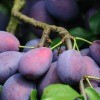
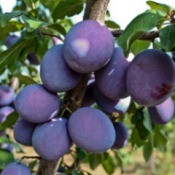
I hate throwing anything away that has a good use, but I may have outdone myself this time. We had some really good plums for the first time from a new tree this year. I juiced a lot of them and then cut some up to dry. They dried beautifully! We're looking forward to some plum bread.
Advertisement
But I looked at all those pretty little pits and wondered what could be done with them. After all, each one is a living seed. I found a large flower pot that had once held petunias, and spread the pits from one side to another. Then I covered them with rich compost and watered them well. I left them outside so they could get the benefit of winter freezing (seed specialists call this scarifying).
In the spring, they will sprout, and I will transplant each into a large Styrofoam cup. I'm saving them now. My husband, the gardener, says they should be two years old before I try to sell them. That gives me plenty of time to prepare for one super yard sale.
A year from August, there will be jams and jellies, pies, crafts, and aloe vera plants to go with my little plum trees. I should be able to ask $1.50 or $2.00 for each tree, depending on how they look. I'm so excited!
 I hate throwing anything away that has a good use, but I may have outdone myself this time. We had some really good plums for the first time from a new tree this year. I juiced a lot of them and then cut some up to dry. They dried beautifully! We're looking forward to some plum bread.