Home |  Index |  Submit Request |  Share Photos |  Share Tips |  Active Topics |  New Feedback  |  Contact Us  |  Search
 User Login:  Username:    Password:      Forgot It?  | Join ThriftyFun!

 Popular Topics
 - Beauty
 - Budget and Finance
 - Christmas *
 - Cleaning
 - Consumer Advice
 - Craft Projects
 - Craft Tips
 - Food Tips
 - Garage Sales
 - Gardening
 - Gifts
 - Green Living
 - Home Improvement
 - Organizing
 - Parenting
 - Parties
 - Pest Control
 - Pets
 - Product Reviews
 - Recipes
 - Repair
 - Thanksgiving
 - Weddings for Less

More Topics

Google Search:

Web thriftyfun.com

About:
RSS Feed
About Us
Media
Advertising
Contact Us
Privacy Statement
Disclaimer

FAQ's About Organic Food

By Ellen Brown
1x1
Date: 03/20/2006 Topic: Green Living > Organic Food  
1x1
1x1
Post Feedback! | Email Friend | Print | Get Responses | Bookmark | del.icio.us | Link | Rate: Thumbs Up Thumbs Down
As more and more supermarkets across North America respond to the growing consumer demand for healthy foods, foods grown organically will become even more affordable and accessible to the average supermarket shopper. If you're still unsure about all the hype over going organic, here are some answers to the common questions about organic food.

Q: What does the term "organic" food really mean?

A: The definition for organic food is not as simple as you might expect. In everyday popular language, it refers to food that has been produced "naturally," without artificial (synthetic) pesticides, herbicides or genetically modified organisms. This can apply to food bought in a supermarket, food grown at home, or food that has been hunted or gathered in the wild.

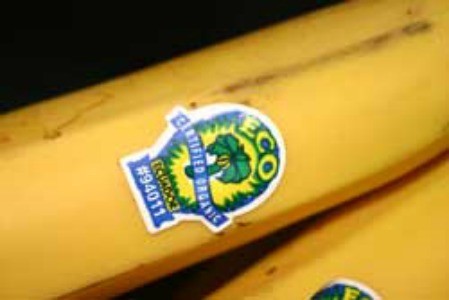
Since 2003, in the United States the legal definition of "organic food" applies to foods that have been certified organic. This means the food has been guaranteed by a USDA-approved independent agency to meet specific guidelines. In the United States, those guidelines are as follows:

  • Food must be grown without synthetic fertilizers, pesticides or sewage sludge for 3 years prior to becoming certified (and continuously thereafter for duration of certification).
  • Food cannot be produced using genetically modified organisms or be irradiated.
  • Positive soil building, conservation, manure management and crop rotation practices must be employed
  • Livestock intended for consumption must have access to outdoor pasture
  • The use of antibiotics and hormones in animals must be refrained
  • Animals must be fed 100% organic feed
  • Measures to avoid contamination during processing must be taken
  • Thorough records of farming operations must be kept.

Unfortunately, recently congress voted to weaken organic certification criteria in the United States, including the decision to allow several synthetic food additives and processing aids to be added to foods without notifying the public, and allowing some animals to be treated with hormones and fed genetically engineered feed prior to being converted to organic production. Many organic organizations are currently fighting to have these decisions reversed.

Q: Are organic foods completely free from chemical residues?
Organic Food FAQ
Since 2003, in the United States the legal definition of "organic food" applies to foods that have been certified organic.

A: No. Uses of certain natural pesticides are permitted (with restrictions) when farmers are threatened with total crop failure. To avoid this, organic farming methods stress the use of soil building, crop rotation and biological controls (the use of beneficial insects) to keep ideal production conditions in balance. That said, synthetic residues may be carried to organic fields from nearby fields using chemicals, and crops are still subject to any air born pollutants present in the environment. All fruit and produce, whether organically or conventionally grown, should be thoroughly washed before consuming.

Q: Is organic food better for you?

A: Organically grown food may not be any more nutritious than conventionally grown food, but it is grown without the use of potentially harmful synthetic herbicides, pesticides, fungicides and fertilizers. The EPA currently lists 60% of all herbicides, 90% of all fungicides and 30% of all insecticides as potentially cancer causing.

Q: Why are organic foods more expensive?

A:The reasons organic foods are more expensive than conventionally grown foods are complex. One reason is that growing foods without the use of agro-chemicals requires organic farmers to use more intense labor practices. Synthetic chemicals are designed to help farmers save time and money by controlling growing conditions chemically in order to produce the biggest yields for the smallest amount of money.

A second reason is that organic farming encourages soil-building practices. This means that instead of continuously growing only the crops with a high profit margin, farmers must keep rotating the crops they grow in order to build healthy soil.

A third reason contributing to the high price of organic foods is government subsidies. If food grown using conventional methods reflected the true costs of growing, harvesting, transportation and storage costs, organic foods would cost closer to the same, maybe even less, than conventionally grown foods.

Q: How can I buy organic food more inexpensively?

A: There are several strategies for making organic food more affordable. First of all, take advantage of seasonal foods by buying in bulk and freezing the excess for use during the off-season. An alternative is to buy preserved foods when not in season.

Consider joining a co-op or teaming up with a friend to buy a share in a community-supported agriculture program.

Shop around. Compare prices among farmer's markets, specialty stores and larger supermarket chains. Certain products may be cheaper at certain stores. Be flexible and willing to shop among several stores to get the best deal. Be sure to ask about available coupons or special offers.

If you have the space, consider growing your own. Nothing is more rewarding than sitting down to a meal that you have prepared with fresh food you have grown yourself.

Q: Where can I find more information on organic foods?

A: Visit the organic Consumer's Association at www.organicconsumers.org
About The Author:
Ellen Brown is our Green Living and Gardening Expert. Click here to ask Ellen a question! Ellen Brown is an environmental writer and photographer and the owner of Sustainable Media, an environmental media company that specializes in helping businesses and organizations promote eco-friendly products and services. Contact her on the web at http://www.sustainable-media.com
Jump to Feedback | Post feedback
Related Links:
Previous: Breed Information: Bernese Mountain Dog ThriftyFun Next: Personalized Frames
1x1
 Feedback
1x1
1x1
1x1
1x1
 Sponsors
1x1
1x1

No Feedback Yet

Be the first to post feedback! Click here to post feedback.

1x1

Post Feedback:
Login using the form on the top of the page to post feedback if you have registered with ThriftyFun. If you have not yet registered, click here. It's FREE!. If you are not registered you can post feedback as a guest below. Please don't use your email address for your name because spam robots can dredge it from our site. Please do not post your feedback more than ONCE. We need to approve all guest feedback and it may take from minutes to hours for that to happen.
(1x1 graphic )
Your Name

Subject

Feedback

text tool text tool text tool text tool

Image Upload: Add an image to your post! Click the "Browse" button below and select an image from your hard drive. Please only select gifs or jpegs. If you have any problems, just email the image to images@thriftyfun.com


If you want to post your email address for responses from readers, obscure it in some way like put spaces between the name and @ sign and service address with (remove spaces) behind it or name (at) server (dot) com . This is for your protection from those creepy Robots.

(1x1 graphic )

© 1997-2008 ThriftyFun.com - Design by Cumuli Design
Disclaimer: ThriftyFun.com cannot accept any responsibility for any injury or damage that you may cause to yourself, others, or property when following any advice given on this site. Read the full disclaimer. If you find any information on ThriftyFun.com or in our newsletters that is either erroneous and/or potentially harmful to others, please Contact Us, immediately.