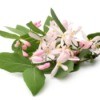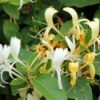
Honeysuckle berries are not suited for human consumption and may cause a mild upset stomach if ingested.
Lonicera
perennials, shrubs, climbers/vines
fall is best
6' to 15'
full sun to light shade (shade produces fewer flowers and berries)
average, well-drained soil
zones 4 to 10 depending on variety
flowers followed by berries from late spring to fall depending on species
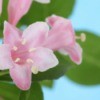
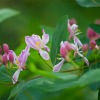
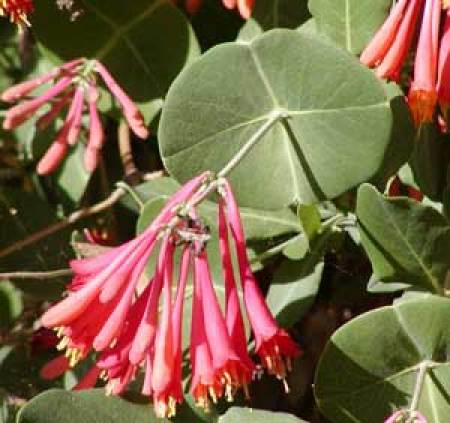
variety of colorful, bell or funnel-shaped fragrant flowers and red or yellow berries depending on species
green leaves in opposite pairs
seeds, softwood cuttings (late spring or summer) and hardwood cuttings (fall and winter)
shrub borders, hedges, climbing vines, and fragrance garden; berries loved by backyard birds
Add your voice! Click below to comment. ThriftyFun is powered by your wisdom!
I wanted to know how to grow honeysuckle from a cutting this gives no information on that.
Be very careful with the fruits or any other part of the honeysuckle. You will not find definitive scientific opinion about the toxicity of honeysuckle only because very few accidents happen, the fruits having a repulsive taste to human, but it is not because there is not yet enough knowledge to draw conclusions about the toxins present in the different parts of the honeysuckle that it should be considered as only mildly toxic.
You can only conclude that : the toxins present or involved is not yet known, that how much toxins are present and involved is not yet known but the toxicity is known. Some wild honeysuckle native to Europe like the alpine type or the shrub-shaped types (ie : the non-climber type) have the most fragrant flowers but their fruits and all parts of the plant have caused accidents with children and adults.
The fruits of these honeysuckles can be red and growing in grapes or black or deep blue and easily mistaken with other berries harvested for jam. Keep also in mind that the power of the vegetal toxins depends on the climate of the region where the plants are grown. It means that what is true in one country may not be true in another one. The poppy that produces opium was native to Spain, not native to Asia.
Add your voice! Click below to comment. ThriftyFun is powered by your wisdom!