ThriftyFun Logo
Home   Find   Ask   Share   Answer   Join   Index   Login  
 
 User Login:  Username:    Password:      Forgot It?  | Join ThriftyFun!

 - Beauty
 - Budget and Finance
 - Cleaning
 - Consumer Advice
 - Craft Projects
 - Craft Tips
 - Food Tips
 - Garage Sales
 - Gardening
 - Gifts
 - Green Living
 - Home Improvement
 - Organizing
 - Parenting
 - Parties
 - Pest Control
 - Pets
 - Product Reviews
 - Recipes
 - Repair
 - Weddings for Less

RSS Feed
About Us
Media
Advertising
Contact Us
Privacy Statement
Disclaimer

Growing: Cabbage

By Ellen Brown
1x1
Date: 04/12/2006 Topic: Gardening > Growing Guides > Vegetables  
1x1
Post Feedback | Get Responses | Bookmark | Link | Print | Print (With Feedback) | Rate: Thumbs Up Thumbs Down | Bookmark and Share
Growing: Cabbage
Botanical Name:
Brassica oleracea (Capitata group)
Description:
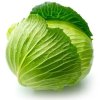
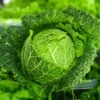
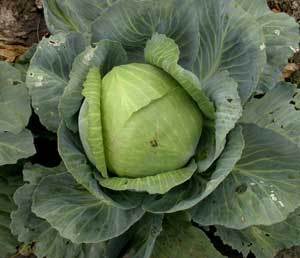
Cabbage is a low growing vegetable in the Cruciferae family with a large head made up of many layers of thick, succulent leaves.
Planting Time:
Cabbage should be planted early in the season so it grows and matures before the arrival of warm weather. Plant a variety of cultivars with different maturity rates to extend the season.
Exposure:
full sun
Soil:
fertile, well-drained soil with a pH of 6.0 to 6.8
Planting:
Sow early cabbage directly outdoors 4 to 6 weeks before the last frost, mid-season cabbage after the last frost and late season cabbage in early to mid-July. Sow seeds 1/4 to 1/2 inch deep in traditional rows spaced 2 to 3 feet apart or in mounds set 18 inches apart. Zones with shorter seasons may want to start seeds indoors or purchase transplants. Transplants should be set in the ground 2 to 3 inches deeper than they were grown in flats and spaced 12 to 18 inches apart.
Watering:
Keep soil evenly moist (not wet).
Maintenance:
Seedlings of early cultivars should be thinned to15 to 18 inches apart and late cultivars to 2 feet apart, once they form two true leaves. To avoid damaging the roots of remaining plants, snip extra plants off instead of pulling them out of the ground. Apply an organic fertilizer when plants are half grown.
Harvesting & Storage:
No matter what size the heads are, cabbage should be harvested when heads are firm and glossy in appearance. Cultivars bred for storage will keep for several weeks in an outdoor covered pit or in a root cellar with temperatures just above freezing and 90% humidity.
Diseases and Pests:
All members of the cabbage family are subject to a variety of diseases that can persist in the soil, including cabbage worms, club root, slugs, blackleg, powdery mildew, etc. Watch for signs of trouble and act quickly to resolve any problems. Damaged and diseased plants should be removed and disposed of quickly. The best defense against trouble is to practice good cultivation techniques like crop rotation.
(1x1 graphic )
Previous: Growing: Carrots ThriftyFun Next: Growing: Brussels Sprouts
(1x1 graphic )
1x1
1x1
 Feedback
1x1
1x1
1x1

No Feedback Yet

Be the first to post feedback! Click here to post feedback.

1x1
1x1
 Post Feedback:
1x1
1x1
1x1

Login using the form on the top of the page to post feedback (if you are a registered user). If you have not yet registered, click here to do so. It's FREE!.

1x1
(1x1 graphic )

© 1997-2009 ThriftyFun.com - Design by Cumuli Design
Disclaimer: ThriftyFun.com cannot accept any responsibility for any injury or damage that you may cause to yourself, others, or property when following any advice given on this site. Read the full disclaimer. If you find any information on ThriftyFun.com or in our newsletters that is either erroneous and/or potentially harmful to others, please Contact Us, immediately.