Avoiding Lead In Your Home
Old paint can be covered with new paint. Apply a strong primer and several coats of new, lead-free paint. This will not remove the lead from your home, but it will block the family's exposure to it. Maintain these new surfaces; don't let the new paint chip or peel to expose the old paint. This is only to be done on surfaces in good shape. Paint that is cracking, peeling, chalking, or otherwise deteriorating needs to be removed by a professional. Improper removal of lead paint can actually increase the family's risk of lead exposure.
If you're concerned about the lead in the soil, plant grass. Grass is an interim way to block the exposure of lead from your family. Build a sandbox for children to dig in rather than dirt.
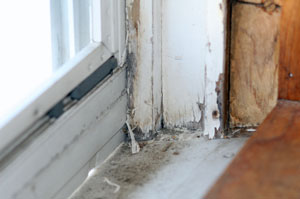
Keep your home clean. Areas like windowsills need to be cleaned weekly with all-purpose cleaner to remove dirt that might be carrying lead. Wash rags used for cleaning dusty surfaces since lead contaminants can be transferred during the next cleaning if the dust isn't removed.
Keep the family healthy. People who have healthy diets absorb lead in smaller amounts. Diets especially high in calcium and iron are helpful in the prevention of lead poisoning.
While municipal water supplies don't usually contain lead, the pipes in your home might. Allow the water to run for 20 seconds before drinking it. Bathing and washing is safe since lead isn't absorbed through the skin. Only drink or cook with cold water; lead tends to bond better to the hot water from your pipes.
Watch for toy recalls. Immediately return toys which contain lead paint.
Take special caution when working with lead based activities such as pottery, glass making, or furniture refinishing. Know if local factories are exposing lead into the air or if your job might send you home with lead coated dust on your clothes.
The National Lead Information Center
Consumer Product Safety Commission (CPSC)
This page contains the following solutions.
If you live in a home or an apartment building that was built before the early 1980's (or even worse one built before the 1920's), then there's a good chance your pipes are soldered with lead.
With all the recall notices here and elsewhere for toys etc., I would like to add that I read in the Los Angeles Times that the lead exposure in the paint in such toys is extremely limited.
With all the lead turning up in toys this year, it is important to be aware of other sources of lead. Christmas light strands are almost always made with lead, even the new LED ones.