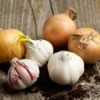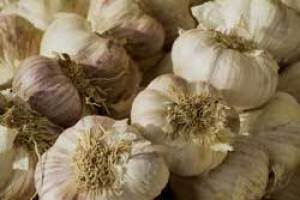
From time to time on ThriftyFun, the community debates whether garlic is beneficial or harmful to dogs and cats. With the pet food recalls, an increased interest has been created with homemade pet foods and pet health.
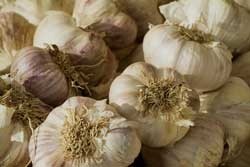
A quick survey of the internet shows many sites that talk about onions and garlic and being poisonous, even deadly to cats and dogs. On the same page, you will see ads for "Natural Garlic Supplements For Dogs" and sites that recommend garlics for flea prevention and general well-being. It is hard to know what to think.
Here is a pet health site from the American Animal Hospital Association that discusses poisons.
Toward the bottom of that page, there is a specific list of poisonous materials. It lists garlic and onions as poisonous, even deadly, but only in a raw or spoiled form. So does that mean that cooked garlic is OK? What about garlic supplements that people are selling for pets?
We'd like to know what you think! What have been your experiences with garlic? What has your vet told you? Has anyone lost a pet due to garlic poisoning?
Please post your feedback below.
I have a Springer cross lab who is ten months old, I feed him garlic chopped into his food maybe once a month or more to worm him and prevent flees (he's never had either) and he is extremely healthy but I had heard that garlic was poisonous so I did a bit of Googling and research today and it seems to me that it is always thought to be toxic in theory but not in practice. In my experience no dogs I know have had bad reactions to garlic, perhaps some dogs have been allergic or have had a bad reaction as it is quite a strong taste etc and people may have assumed it was toxic to all? I don't know but in my experience it's fine. :)
Do not give them garlic! Raisins, chocolate, onions, antifreeze, and yes, enough garlic, will kill your pet. It cost me $1000 to save my beautiful, auburn, female Chesapeake Bay Retriever from raisin poisoning, and I'd pay it again in a heartbeat. But we no longer permit raisins, onions, chocolate, or garlic anywhere in our house. It was only a small amount of raisins, but one never knows just how much will kill any particular pet, depending on that pet's body chemistry. My dog is 43 pounds, but her body reacts immediately to any type of poisonous foods. How can you ask your poor pet if it's particular body chemistry will have a deadly reaction to one of these poison foods? Is it worth risking the life of your beloved pet to find out? I say no! Period!
My lab-shepherd mix lived to be 16 years old. I gave one piece of a garlic clove minced (in food) whenever I thought she might be having problems, but tried to do it weekly. It seemed to help worms and fleas. She never had any adverse reactions. I now have a lab puppy who has worms, according to the vet, and the meds cost over 40 dollars for three pills. I will use this for now, but plan to give her garlic when she is a bit bigger.
I have worked at a vets office since the age of 15 and i am 26 now, I am a RVT, and I have been feeding my dogs garlic for years now and there have been no side effects to it at all, garlic is supposed to repel misquitos so I think it has been beneficial to them not harmful, onions on the other hand do cause major problems and they could die from eating them, have seen to many come in the clinic with onion poisioning, I just did bloodwork on my dogs the other day and it is perfect and we eat garlic salt everynight on our food along with garlic powder and also minced garlic.
|
A quick survey of the internet shows many sites that talk about onions and garlic and being poisonous, even deadly to cats and dogs. On the same page, you will see ads for "Natural Garlic Supplements For Dogs" and sites that recommend garlic for flea prevention and general well-being. It is hard to know what to think.
Here is a pet health site from the American Animal Hospital Association that discusses poisons.
Toward the bottom of that page, there is a specific list of poisonous materials. It lists garlic and onions as poisonous, even deadly, but only in a raw or spoiled form. So does that mean that cooked garlic is OK? What about garlic supplements that people are selling for pets?
We'd like to know what you think! What have been your experiences with garlic? What has your vet told you? Has anyone lost a pet due to garlic poisoning?
Please post your feedback below.
According to the ASPCA:
Foods to Avoid Feeding Your Pet
Paula (04/06/2007)
By escape4426
PMZ (04/06/2007)
By Pauly-Wauly
By L Dailey
By ThriftyFun
My last, dear, gentle, furbaby was a Cocker Spaniel and I fed her things that are on the list of things not to feed pets, this was before I knew such a list existed! I gave her grapes and raisins for little treats, fed her leftovers with cooked onions in it, and once gave her cooked pumpkin left over from a pie (which she vomited for hours on!). Dusty eventually had kidney failure and had to be put to sleep. It took me over ten years and a prescription for anti-depressants to get over the pain. Now, it could have just been that a dog her age would get kidney failure, but, what if, it were the foods that I had fed her all her years with me? So, I do not feed anything that is on the aspca list, or anything that my vet says not to feed, or anything that is on the humane society list, because I just won't take a chance. Do my two furbabies realize that they aren't getting garlic, or broccoli, or chocolate? Nope, they don't have a clue; so, why even take a chance and give them those things? (04/10/2007)
By BOBBI
The bottom line here is that dogs and cats can get into many things around the house that are toxic if consumed in large quantities. But, when used in moderation, garlic can be a healthy supplement. According to Charlie Fox, the co-author of The Garlic Cure (McCleery & Sons, 2002), garlic can be used to stimulate and support immune function, trigger gastric juices for better digestion, encourage the growth of friendly bacteria, and prevent infections. He's seen garlic reduce the risk of cardiovascular disease and cancer as well as improve blood sugar regulation and promote detoxification. (05/02/2007)
By I found this and hopes this helps.
By Amy
By Debra
By honest Albert
By Grace
By Marc
By Denise
By Ron
By
Just to share the information. They advised that 1 bulb is borderline for a dog his size and I should induce vomiting. So I got my keys to head out to the store to by hydrogen peroxide and low and behold, there's the clove of garlic on the back deck that he carried out and decided not to eat which was good news for both of us. So I'm hoping my $60 spent on the call might help someone else out if their dog does the same thing.
Moral of the story here is that the postings of 26 - 50 cloves of garlic should not be followed as rule of thumb above. If it's more than 1 bulb for a 44 lb dog or larger, you should consult animal poison control or an emergency vet for help. (01/10/2008)
By Charlie's owner
By David
By Carol
AIHA can be caused from a number of things including a virus, a bee sting, a poison, a medication. The experts just don't know. Sadie had all her shots last December which the doc says is too long ago for that to be the cause. The only thing I can think of is a change in her diet. I added an expensive freeze- dried raw dog food called Force to her diet recently because she was such a picky eater. Today I looked and yes, the food contains raw garlic.
Now I'm an emotional wreck. Could I have killed my own dog? I am devastated. I'll never know if this was the cause, but I'll never offer a dog garlic in the future. This food is going in the trash. I may try to talk to the makers to see what they say. I just don't know. (03/31/2008)
By Cheryl
I wonder if the pharmaceutical industry is behind this bad mouthing of garlic. Creating fear is a favorite powerful tool among politicians, clerics, and corporations, and quite effective to their advantage. In this case it certainly cuts their profit if too many people use garlic instead of their high-priced poisons to control fleas on pets and farm animals alike.
A similar trend is going on with commercial pet food versus home-made pet food. If you believe the manufacturers and most vets, your pets are certainly going to be prone to disease and short-lived if you dare to feed them home-made food. What happened to common sense? Reading through all this, it is clear to me that this issue is certainly inconclusive, that a lot more research needs to be done before recommending against a proven age-old natural remedy and that like always and in everything moderation is key. I will continue to add garlic to my dogs' diet. (04/16/2008)
By Chris
He has been providing homemade recipes to address health issues in pets for 27 years. This quote is from his most recent book in its third edition. It's tried and true. (04/28/2008)
By DSmith
As a researcher, I would try a small amount, and go from there. From what I have read here, raw garlic seems to work. Of course, medical practices may not want us to know garlic works well for healing pets.
Just like the pharmaceutical firms don't want people taking natural supplements because it cuts into their profit margins! Be careful of misinformation from the government or medical communities. (05/18/2008)
By Dr. E
Cats and wolves (dogs) have been thriving for tens of thousands of years without our input on what they should eat. Only for the past 60 years or so have we decided that "we" are the authority on what our fury friends should eat. Funny, how our pets are now so susceptible to disease such as cancer and diabetes.
Wolves eat raw meat (generally smaller animals such as rabbit, fish and birds but also venison and caribou), raw bones (only cooked bones splinter), eggs, roots, fruits and vegetables. They do not eat grains, meat meal or additives. Wolves have also been known to eat homeopathic remedies such as garlic to keep away parasites and willow bark to help with aches and pains.
Cats are pure carnivores eating a diet of small prey such as rabbits, birds and fish. However, they will occasionally eat plant matter such as grass and catnip to help aid digestion. With all of the commercial pet food on the market, it is no wonder so many of our pets have allergic and digestive issues. If your pet has a skin allergy, try taking him/her off of grains. It could also be an over abundance of yeast caused by too much starch and antibiotics.
Regarding raw meat; there are so many reasons why your pets should eat raw foods.
First - Raw foods have digestive enzymes which can only be found in foods that have not been cooked, radiated or processed. Digestive enzymes aid in digestion and are essential for good health.
Second - Cooked meat takes 4-6 hours longer to digest than raw meat. The longer meat stays in the gut, the worse for the digestive tract.
Third - Raw meat creates more acid in the stomach to aid in the digestion of food. Yes, more acid in your stomach is good for you and your pet. Acid reflux and other acid related issues are caused by too little acid in your stomach.
Fourth - Raw foods contain less free-radicals and more vitamins than cooked.
Fifth - Everyone is so afraid of the bad bacteria in raw meat. Yes, bacteria can hurt your pet, but it can also help. The more bacteria your pet is exposed to (OK, there are some limitations) the better your pets immune system. Animals put their noses and tongues in nasty things all day long, much of which has worse bacteria than raw meat. It's better to prepare your pets for those instances then to compromise it's immune system by trying to keep bacteria away from it. Also, when killing bad bacteria, you are killing good bacteria which is again, good for digestion.
Note: A poor digestive tract causes disease.
Regarding garlic - wolves eat it, so why not your dog. If your dog is having a poor reaction it could be something else your dog is eating. Cats, however, do not eat it, so try rubbing garlic powder and brewers yeast on your cats coat to ward off parasites. www.naturallyfreshfare.com (06/29/2008)
By Mark, MD
By Sav
Point 2: The A-Z Guide to Super Foods states that garlic has antiseptic, antibacterial and antiviral characteristics and should be used to prevent lung and bronchial ailments. It is an intestinal purifier and a worm deterrent. It helps remove waste accumulation from the blood. Garlic juice provide pets' skin with an odor that repels insects. Garlic cleanses the lower bowel of accumulated mucus. (11/01/2008)
By James
By Corwin
One last comment: one poster commented that dogs generally have good sense about what they should/should not eat, so if you offer it to them and they eat it, it's alright. I would be very careful with going by this rule. My dogs will readily eat garlic, grapes, onions, and chocolate. All of these things could cause major problems. Furthermore, it's been reported time and time again that dogs LOVE the taste of antifreeze; something that in very small amounts can cause death in a very short time period. So while I do think that dogs generally have good instincts, I probably wouldn't use this as my gold-standard for whether or not it is harmful to them. (05/27/2009)
By Kitkat24
By maquignon
It is my understanding with flea/tick medications such as Front Line the tick does not die until it has bitten and latched on to your dog for 24 hours. I thought the whole idea was to prevent the tick from biting the dog. I guess this was my misunderstanding. I also took some time to research the chemicals found in several of these types of products by reading through their MSDS (which can be found on line) and found exposure can cause cancer. So I ask myself who how much exposure when my child is constantly hugging and kissing my dog who has this chemical solution sparing through its fur? Another little food for thought so many dogs are suffering and dying from cancer one must ask why?
So back to garlic being harmful to your dog; For the past two years, on every Sunday, my dog is given two meatballs that I have prepared for our dinner and these meatballs do have minced pieces of garlic. Since I have been doing this my dog has not had one flea on her, yet while using my vets recommendation, Front Line, we were constantly battling the flea issue.
I guess in short what I am saying, weight your options, chemicals or natural. Neither may not be a perfect choice but really consider what is safest for your pet and those loving your pet! (03/29/2010)
By m c k
Add your voice to the conversation. Click here to answer this question.