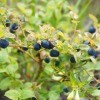
Proper pruning is a good way to help your plants and shrubs stay healthy while preparing them for budding. It's best to prune shrubs that bloom in the summer and fall in the late winter or early spring prior to bud development. Spring or winter bloomers should be cut immediately after flowering has terminated. This means you're never pruning in the summer.
When done correctly pruning aids in controlling plant growth, enabling flower and fruit generation, and maintaining the health of all plant life in the surrounding area. You want to be sure to carry on this task by utilizing the correct tools. Dull cutters will bruise your plants and shrubs and may cause health problems. Remember, when you prune a plant, although it does not bleed like us, it does have an open wound. The cleaner and quicker the cut the faster it will heal and the less likely any disease will have time to take root.
The tools you will most likely need are hand pruning shears, a lopper, and a pruning saw. A good, sharp pair of hand pruning shears are effective for any close cutting that needs to be done. When cutting the plant you should not have to struggle, cuts should be immediate and crisp. For branches up to one-half inch use lopping shears and when branches exceed that diameter defer to the saw.
There are three basic steps to pruning - cutting away branches that are harmful to your plant's health; cutting in order to thin out the plant; and cutting back to reduce plant size. First all diseased, dead or broken branches should be cut. Always make sure your cuts are clean; the remaining surface should be devoid of any torn or strained tissue. Take care not to damage the bark above or below the cut. Like your skin, the bark is your plant or shrub's primary defense against disease and unwanted visitors.
Proper pruning is a good way to help your plants and shrubs stay healthy while preparing them for budding.
Next look for branches that are impeding new growth such as tangled, crossed over limbs. These should be cut. If the plant is still too thick do not cut away new growth, this will hinder your plant's progress. Get rid of older branches, looking for any that are clearly different from the others. If you have growth that is well beyond the average branch length, cut that back to a bud about a half-foot below the common branch length.
You may want to reduce the size of the shrub or tree. At this point you want to do three things - insure future uniform growth, prepare for successful budding, and maintain plant health. To do this cut back each branch four to six inches, stopping at a new bud. Do not cut more than one branch at a time; each branch should be cut separately to facilitate clean, crisp cuts that won't damage the plant. In doing this you'll also be able to create a natural look and a clear path for seasonal growth.
As you venture out to prepare your shrubs and trees for the coming spring, perhaps it's best to remember the Hippocratic Oath: "Above all else, do no harm." Happy and healthy pruning!
About The Author: Ellen Brown is our Green Living and Gardening Expert. Ellen Brown is an environmental writer and photographer and the owner of Sustainable Media, an environmental media company that specializes in helping businesses and organizations promote eco-friendly products and services.
Add your voice! Click below to comment. ThriftyFun is powered by your wisdom!