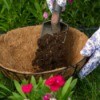
First I soak planters in mild chlorine bleach then rinse. This water is poured over the gravel walk behind house and kills the moss/mold on pavement. We have plants lining walk and this has never bothered plants.
I have problems with soil gnats every year when I bring my household plants back into house after they've lived outside, plus, I have 3 cats. Finally found a solution ~5 yrs ago and works every time.
After repotting, add a thin layer of larger particle activated charcoal (can get at pet/fish shop) just on top of the soil. I then cover this with plastic mulch - some colors like blue or yellow enhance the colors of the plant. My favorite is blue,
the green plants and/or pink blooms seem more vibrant.
The charcoal takes care of the gnats (as I've read they like moist soil) and the cats won't disturb the plastic mulch. If you have really large planters, I'd try the volcanic rocks that you might use for landscaping or grills. Had these in some really large planters with taller inside bushes. Cat could get into planter, but, jumped out quickly when she touched the rock.
Happy indoor planting !!
I was looking for a solution to my gnat problem. I opened a brand new bag of potting soil for some seedlings, and gnats came swarming out of the bag. I talked to my Aunt who has worked at a florist for years and said they microwave their soil for a few minutes and let it cool down before planting. It kills the larvae. Be careful, microwaving for too long can cause the soil to catch fire. Also the house will get a woodsy smell to it after doing this, she suggested microwaving some lemon juice to get rid of the smell.
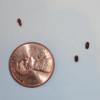
Those are fungus gnats, and they are difficult to get rid of completely. Thankfully they seldom really harm the plants, though they are a real nuisance. In addition to the tips below, hanging a sticky fly strip near your plants will trap a lot of them. Another tip I have seen is to put raw potato cubes near your plants and change them every three days. I think they are supposed to lay their eggs there instead of in the soil. (The worst infestation I ever had was when I had a 50 lb bag of potatoes near my plant lights in the basement, and there was a bad potato near the bottom that I didn't find for some time, so I guess they really like potatoes.)
After you repot in clean soil, you might add a thin layer of sand to help keep them from getting to the potting soil. Best to use a growing sand that will be salt free.. a fast remedy is to mix up any liquid insecticide that is safe for the plant, even diluted down a couple of times and then use this mixture to water the plant, this will kill the larvae in the wet soil. There is also a product called Gnatrol you can use. It is Bt and only effects the larval stage so is slower to gain control.
I have this problem no matter how many times I've changed the soil. I have no solution as of this date.
Hardiness Zone: 7a
Kathy from Canton, NC
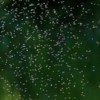
The little gnats you're seeing are probably fungus gnats. They seem to suddenly (and mysteriously) appear out of nowhere soon after watering plants or after opening a fresh bag of potting soil. Adult fungus gnats like to lay their eggs on moist soil. Soon after they are laid, the eggs hatch into larvae, which feed on fungus growing in the damp soil. After a short period of feeding, the larvae pupate and hatch into adult fungus gnats and the cycle starts all over again. In the case of gnats showing up in potting soil, I suspect that the eggs get laid in the soil before it's packaged at the plant. The moisture, the nutrient-rich soil and a lack of air circulation combine to create the perfect conditions for growing fungus. It's either that, or we all have adult fungus gnats in our homes that fly about undetected until we open a fresh bag of potting soil. Seeing as how gnats have such a short life span in the first place, it's hard to imagine that they would wait around for us to open up a new bag of potting soil.
In any event, the good news is that without food (fungus) to feed on, the gnats cannot develop into mature adults. One way to help halt (or at least disrupt) the fungus gnat reproductive cycle is to let the soil dry out a bit between watering. It also helps to make sure the top layer of your potting soil is exposed to plenty of sunshine and fresh air.
I once had a huge crop of fungus gnats hatch inside a terrarium I planted. When you first plant a terrarium it's easy to add too much moisture. Sometimes it takes a few days to figure out the right amount of moisture needed to create a self-sustaining environment for the plants. Although I didn't see any visible signs of fungus growing on the fresh potting soil, I soon had dozens of fungus gnats flying around the inside of my terrarium and getting stuck to the water droplets running down the sides of the glass. The whole project looked terrible and I was understandably horrified and mystified as to where the gnats came from. I ended up taking the terrarium outside to let the gnats escape. For several weeks after that it seemed like they kept right on hatching anyway. I guess they ran out of fungus, because eventually their reproduction cycled stopped and they all died.
Ellen
About The Author: Ellen Brown is our Green Living and Gardening Expert. Click here to ask Ellen a question! Ellen Brown is an environmental writer and photographer and the owner of Sustainable Media, an environmental media company that specializes in helping businesses and organizations promote eco-friendly products and services. Contact her on the web at http://www.sustainable-media.com
By Ella
By Jess
By Chris
I have at least 50 houseplants. I re-potted many over the years and have never had a problem with gnats, now I do. I try to let the soil dry out as much as I can without harming the plants. These little stinkers won't go away. How can I get rid of them? Should I poke holes in the soil for ventilation? Would it help to dry the soil out? Is there some kind of bug poison I can use? Thanks.
Hardiness Zone: 10a
By nerakk from Hesperia, CA
By Marcia S
By luvnaz
Add your voice to the conversation. Click here to answer this question.