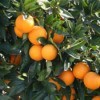
Select fruits for freezing that are ripe (or have started to ripen), have good color and are free from cuts, scars and mold. They should feel firm in texture (not hard), be free of soft spots and have a sweet odor. Plan to process fruit as soon as possible after harvesting. Purchasing fruit is least expensive when it's in season. Buying in bulk from farmers markets or road-side fruit stands is usually a much better value than buying from a supermarket. Organic fruits are more likely to be free of pesticides and will not be coated with wax.
Wash fruit thoroughly; peel, core and cut it as quickly as possible to avoid discoloration and maintain freshness. Some fruits may be frozen whole and others may be cut up or pureed. Many fruits, such as apples, apricots, bananas, peaches and pears, will discolor when exposed to air or during the freezing process. To avoid this, they can be pretreated with an antioxidant. Make your own using 3,000 mg of ascorbic acid (vitamin C) to 1 gallon of water. Fruits can be dipped in this solution during preparation, or 1/4 teaspoon can be added as they are packed into containers for freezing. Commercially prepared antioxidants like Fruit-Fresh or Ever-Fresh can also be used.
| Syrup Type | Water | Sugar | *Honey/Maple Syrup |
| Light | 4 Cups | 2 cups | - |
| 3 Cups | - | 1 Cup | |
| Medium | 4 Cups | 3 Cups | - |
| 2 Cups | - | 2 Cups | |
| Heavy | 4 Cups | 4 1/2 Cups | - |
* Do not use honey as a substitute for sugar on fruits given to children under 1 year of age. Honey can contain botulism spores that cannot be destroyed by the intestinal tracts of infants. Syrups need to be brought to a boil to dissolve the sugar (use stovetop or microwave). To keep syrup warm for processing, pour it into the carafe of a coffee maker (not into water well) and turn the burner on, or hold it in an oven set on warm.
Freezer containers should be moisture and vapor resistant and should not be prone to cracking or breaking at low temperatures. Containers should provide protection against absorbing flavors or odors and should be easy to label. Suitable packaging for freezing fruit includes freezer-grade plastic bags, rigid plastic containers or glass containers and heavy-duty aluminum foil or aluminum containers.
Most fruits will keep 9 to 12 months at 0ºF.
Fruits can be thawed at room temperature, in the refrigerator or under cold running water. Leave them in the container while thawing. Frozen fruit needed for cooking and baking may be added without thawing.
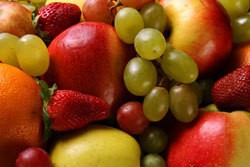
Fruits that freeze well using the unsweetened "tray" method include apples, berries, cherries, currants, figs, grapefruit, grapes, melon, persimmons, plumbs, or other fruits you don't want frozen together in a mass.
Add your voice! Click below to comment. ThriftyFun is powered by your wisdom!
Freezing is an easy way to preserve foods. It preserves food by stopping the growth of bacteria, mold, and yeast. Correctly frozen foods maintain excellent color, flavor, texture, and food value. Frozen berries and fruits are delicious as snacks or in other dishes.
Contents include:
This article is available in PDF format. Click here to download it.
Published by: Mississippi State University
Add your voice! Click below to comment. ThriftyFun is powered by your wisdom!