|
|
|
Waffles are often overlooked as inexpensive but wonderful food to eat. Some folks object to the waffle batter sometimes overflowing and causing a mess; however, simply place the waffle iron on a cookie sheet. If it happens to overflow, the clean up is incredibly easy.
If you buy the Krusteaz brand mix, all you need to add is water, then you can save your milk and eggs for another meal. You can get not only buttermilk flavor, but wheat and honey, blueberry, buckwheat, oat bran, and apple, etc.
By MzScarlett from Medford OR
Below you can read previous posts and comments about this topic. The discussions on this page have been archived 2 times. Select a discussion and read the feedback here.
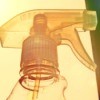
(Archived Sep 27, 2010)Use a Spray Bottle for Cooking Oils
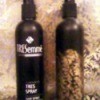
Source: My own idea! When I ran out of cooking spray and did not have any coupons for the canned cooking spray, I stopped at the dollar store for a few other items and saw the spray bottles for a dollar and thought why not try my own cooking spray. :)
By Bobbie from Rockwall
Feedback:
By teddygirl
Frugal living on about.com rated it as one of their favorite frugal kitchen gadgets.
I have one and love it! (12/24/2008)
By mrsdawn
By sean08
Anyway, Pampered Chef has the sprayers, and you pump air into them to infuse the oil out like a spray can. Fine, difficult to clean. I found my oils went bad faster, I don't use oils a lot. And my olive oil had to be in fridge, which made it not ready when I needed to use it. It is fine to fill and use as a single event (fundraiser spaghetti dinner at church, loaded it with OO and was a breeze to keeping things running nice on the food line being spritzed.
The PC bottle was a little bigger and meant for oils, but even that was a pain to keep clean. Since mold and bacteria grow many places, and if it is a high use item, you want to empty and clean it regularly.
So for me and my little use of sprays, I am back to the canola or olive oil spray can.
Simply mixing your OO and flavored vinegars, etc for dressings is another good use. (01/05/2009)
By Maryeileen
I got this from the internet, site unknown.
Spotting the "Safer" Plastics
#1 (PETE): Polyethylene terephthalate ethylene Used for water, soda, juice, and shampoo bottles; some detergents; peanut butter containers.
#2 (HDPE): High-density polyethylene. Used for opaque milk and water jugs, bleach and detergent bottles; cleaning product containers; plastic bags.
#4 (LDPE): Low-density polyethylene. Used for plastic wrap, grocery store bags, some baby bottles.
#5 (PP): Polypropylene Used for some food containers; plastic squeeze bottles.
#7 (PLA): Polylactic acid and other bio-based plastics made from soy, corn, potatoes, and wheat. Used for deli-take out food containers, cold beverage cups, straws, disposable cutlery, food wraps, and bags.
The "Unsafe" Plastics
Plastics coded #3 (PVC), #6 (PS) and #7 (Other) are the plastics to steer clear from. They all contain known or suspected carcinogens seriously detrimental to human health. Ironically, these plastics are also usually not recycled.
Spotting "Unsafe" Plastics
#3 (PVC): Polyvinyl chloride or vinyl chloride Used for plastic cling wrap; to hold cooking oils and cleaning products; for plastic squeeze bottles, children's toys (banned or restricted in several European countries), water pipes, and phonographic records.
#6 (PS): Polystyrene Used in Styrofoam carryout containers and opaque disposable cutlery.
#7 (Other) Usually PC, Polycarbonate (the plastic containing BPA recently in the news)
Hard plastics used for baby bottles and "sippy" cups, 5-gallon water jugs, sports water bottles, metal can liners.
Dos and don't for Using Plastics More Safely
DON'T mix hot foods and plastic. Never serve hot food or drink from plastic containers, and always allow food to cool down before transferring it to a plastic container, or covering it with plastic wrap.
DON'T microwave food or beverages in plastic containers, or covered in plastic wrap (this is true even of for plastics labeled "microwave safe".
DON'T allow plastic wrap to come in direct contact with your food (especially fatty foods).
DO toss out old, scratched plastic containers. These can leach chemicals more readily into food and drink.
DO wash plastic containers by hand using a soft sponge. The hot water and detergents used by dishwashers can break down plastics, which increases their ability to leach chemical additives.
DO switch to glass or stainless steel containers as plastic containers wear out. (01/06/2009)
By cookwie
I recently read when your are finished using the pump-air type bottles, you should release the oil in the tube by holding it upside and spray to discharge the excess oil plus expel the pressure by unscrewing it. (05/05/2009)
By mkymlp
The stream I get from my little spray bottle never bothers me, as long as I get what I want, I'm none too picky, lol! (05/07/2009)
By JustPlainJo
(Archived Dec 21, 2008)Use a Spray Bottle for Cooking Oils
Feedback: