Browse   Newsletters   Contests   Ask   Share   Account   About Us

Growing Blueberries

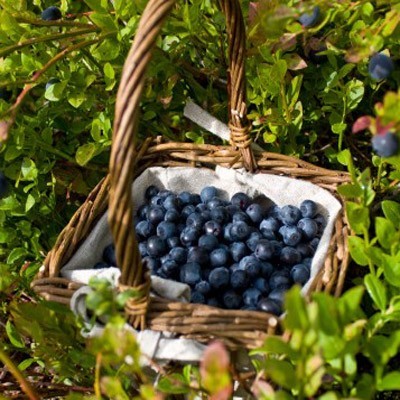
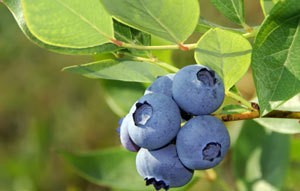
Blueberries growing on a bush.Blueberries are great for baking or just eating by the handful. Their high levels of antioxidants make blueberries a healthy part of your diet. This is a guide for growing blueberries.
     

Solutions: Growing Blueberries

Read and rate the best solutions below by giving them a "thumbs up".

Growing Blueberries

Planning Tips:

Unlike most of the other berries grown in the North America, blueberries are natives. Gardeners in zones 2-9 can enjoy growing their own. Although there are cultivars that require cross-pollinations, most blueberries are self-fertile, but seem to grow bigger, more robust crops if planted near one or two other companion plants-specifically other varieties of blueberries. Planting a variety of cultivars with different ripening seasons will also extend your harvest. Try Earliblue, Bluecrop and Coville for respectively early, mid-season and late-season crops. Select virus-free plants in one of 4 types, depending on which is most suitable to your region: highbush (zones 4-7), lowbush (zones 2-6); midbush (a combination of the highbush and lowbush varieties) and rabbiteye, or southern highbush (zones 7-9).

Site Preparation:

Blueberries prefer nutrient-rich, highly acidic soil (a pH of 4 to 5) and full sun exposure. They will tolerate partial shade, but yields will be lower. Prepare your site 6 months to 1 year in advance by working acidic amendments like peat, wood chips and pine needles into the soil as necessary. Alternatively, consider creating raised beds. A combination of equal parts builders-sand and peat moss mixed with a bucket of compost will provide an acidic base rich in nutrients. Avoid planting in low spots and in areas where water tends to stand, or within 300 feet of wild blueberries.

Planting:

In warmer areas, plant bare-root blueberries in late fall or late winter. Cooler areas should plant blueberries in the early spring after the danger of heavy frost has passed. Container blueberries can be planted anytime during the spring and summer. Highbush varieties should be spaced 5 feet apart, rabbiteye varieties 8 feet apart and lowbush varieties 2 feet apart in each row.

Care & Maintenance:

Blueberries will stay healthy and productive if pruned regularly. Young bushes up to 2 years old should be trimmed only to remove dead or diseased canes removed. Mature bushes (3 to 8 yrs.) require removal of prostrate canes and canes longer than 2 feet in length. Lowbush varieties can be pruned with a lawn mower. Because they will not produce berries the year following pruning, cut back half of the bushes each year and keep the other half of your plants in production.

Harvesting & Storage:

Blueberries should be taste-tested before harvesting. Berries that have just turned blue are not the best tasting. Gently shake a cluster of berries to determine ripeness. The ripe ones will fall easily off the bush. Store blueberries in the refrigerator immediately after harvesting. Cooler temperatures than the average refrigerator (31 to 32F) will keep them fresh for up to two weeks.

By Ellen Brown

Ellen Brown is an environmental writer and photographer and the owner of Sustainable Media, an environmental media company that specializes in helping businesses and organizations promote eco-friendly products and services. Contact her on the web at http://www.sustainable-media.com
1 0SharePrintFollow1 Feedback

Planting Blueberry Bushes

Blueberry Bushes

Question:

We are getting ready to plant blueberry bushes. I have read online that we need to cut off the top 3rd of the plants when we plant them and then not let them produce for the 1st 2 years. Does anyone out there have experience with blueberries? Any help will be appreciated. Thanks and God bless!
Becki from Seymour, Missouri

Answer:

Hi Becki,

Yum! I can taste them already!

I'm going to guess that you're growing blueberries of the Highbush variety. These are the blueberries people are most familiar with-the kind most often sold in grocery stores. FYI: There are also Half-High, Lowbush, and Rabbiteye blueberries.

Highbush blueberries generally start producing around age three. They may produce small clusters of berries before this age, but if not pruned back or "trained" during the first few years of growth, overall productivity can be somewhat delayed. Producing fruit takes a lot of energy, so it is always better to let a plant expend energy on becoming established during its first few years of life, rather then split its energy between growing and producing fruit. This isn't required, of course, but if you have the patience to train them for a few years before allowing them to swing into full production, you will be glad you did. The payoff is better fruit production down the road.

Blueberries are pruned during "training" (1-4 years old), and as needed throughout their life to maintain their shape. They may also be pruned to "renew" their vigor once they reach 8-10 years of age.

The Missouri State Extension Agency has a nice publication on growing blueberries in Missouri.

They also advise removing the flower buds for the first two growing seasons in order to allow the plant to become established.

Here is an additional resource from the North Caroline State University Extension Agency on the principle of pruning Highbush blueberries.

Good luck!

Ellen

By Ellen Brown

0 0SharePrintFollow4 Feedbacks
Share Your Feedback: Once you try any of the above solutions, be sure to come back and give a "thumbs up" to the solution that worked the best for you. Do you have a better solution? Click "Share a Solution" above!

Questions

Here are questions related to Growing Blueberries.
Growing Tasty Blueberries

Any ideas on how to help our blueberries taste good for next year? Last year's crop was a great mix between tangy and sweet. This year, they are so bland and blah. We haven't done anything different but would like to ensure great tasting blueberries next year.

Hardiness Zone: 7a

By Icook_Ucleanup from AL

SharePrintFollow1 Feedback

Most Recent Answer

By 10catgirl06/17/2009

I didn't even get a chance to eat any of mine. I went to pick mine one afternoon and everyone of them were gone. The Birds got them.

Follow ThriftyFun