 I live in a smallish town where shopping is limited and, as with a town with little, competition prices are high. I have learned to keep the pantry and freezer stocked. Twice a month, we go shopping. We make a trip 20 miles up the road. Armed with our list, we visit several stores that we frequent.
One of the stores we go to is a "day old" bread store. Loaves of bread there are approximately 1/3 the cost of the very same bread purchased at a store. This bread will freeze in our chest freezer for a month without any type of burn. We also pick up Angel Food cake bars, along with hamburger and hot dog buns. Later in the evening upon returning home, I will slice the cake, wrap each piece in a section of plastic wrap, and place in a large freezer bag, and place in freezer. It is a snap to take out what we need and allow it to thaw when ready to use. Since we do not use the buns as fast as regular bread, I do the same to it.
Then we hit the "stock up" store! We buy several gallons of milk, some I will separate into clean jugs to freeze. I also keep boxes of powdered milk on hand. I have found that you cannot tell the difference in it and what you buy from the dairy case. (We use skim milk.)
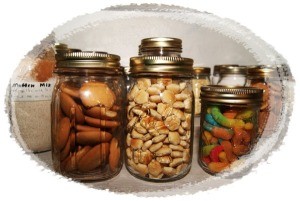
We also buy cereal and crackers here. They will be placed in clean mason jars at home, and the lids vacuum sealed, using my jar attachment on my foodsaver. They will be as fresh the day I open them as the day I placed them in the jar! I also have jars of candy sealed, left over from holidays! That way the kids do not gorge themselves, I can dole it out a little at a time.
Although I am a home canner, we also stock up on canned goods. We buy "flats" of 12 cans. I will date the box with a marker, and place this box under the ones previously purchased.
Meats I will divide up. Using my foodsaver, I will vacuum seal them in small portions. Some items, like shaped burgers, I will flash freeze first, then vacuum seal.
We also buy no-name diet soda here and find it tastes the same as name brand. Yes, I know a lot of people feel soda is a no no, but we like it, so we purchase it. It is about 1/2 of what the name brand will cost at the local stores.
Occasionally, we go to the warehouse club, too. There I will buy a 5 pound bag of shredded cheese. To store this, I will place a half cup into a snack size baggie, I will zip it closed leaving a small opening and insert a straw into the bag. I suck out the air and zip it closed. I will put these bags of shredded cheese into a larger freezer bag and freeze.
We purchased large bags of frozen fruit there, too. Since they come in resealable bags, there is nothing else we need to do with them.
While there, I like to visit their deli section, and purchase a 10+ pound loaf of such meats as baked turkey breast or low fat honey ham. We ask them to slice it super thin. (They call it shaved or wafer cut.) This I will separate and vacuum seal them to freeze.
They also carry foot long hoagie rolls which my family loves. I will do them like I do the angel food cake. I will cut it into 4 portions per roll, wrap each portion in plastic wrap, place them in a freezer bag, and freeze.
Other items I keep on hand is yeast (kept in the freezer), wheat flour (kept in the freezer), rice (vacuum sealed in quart jars), and a variety of spices and seasonings.
Plus I keep extra personal hygiene items, cleaning supplies, and toilet paper on the shelves in the basement pantry.
It does take a bit to get the knack of things. Keeping track of what you have, rotating items, etc. And to stock up it does cost a bit more to begin with, but it is worth it for us. In the past, I found that running to the store just to pick up an item we were out of cost a lot of money! Not only the cost of the gasoline to go to the store (we have no public transportation here), but it seemed that I would always impulse buy. By staying out of the stores, I keep more money in my purse.
When the cold wind blows and snowflakes swirl through the air, I can decide to make a huge pot of chili. I feel good knowing crackers are just a step away!
This page contains the following solutions.
Buy yourself a tall $30 bookcase then, using two L-brackets, secure the top of your bookcase or shelves to the studs in the kitchen or garage wall. Next, simply wedge a spring rod inside the shelf about 1 inch from the top.
Buy in bulk grocery items that you use on a daily or regular basis. Take it home and either down size it into smaller containers or a large bin.
Most people that cook meals at home use canned tomatoes throughout the year. When I go to Costco, I buy a number 10 can of a name brand diced tomatoes in its own juice for about $2.75.
We always buy in big portions at home so we can save more time and money. Keeping the containers and buying refill packs instead of buying another bottle of liquid ingredients can save you almost 50% of your expenses.

We make things from scratch and like to try new things, but we have limited space. I buy pasta, grains and dried beans in bulk, but I only buy one kind at a time, enough to fill up a half-gallon mason jar.
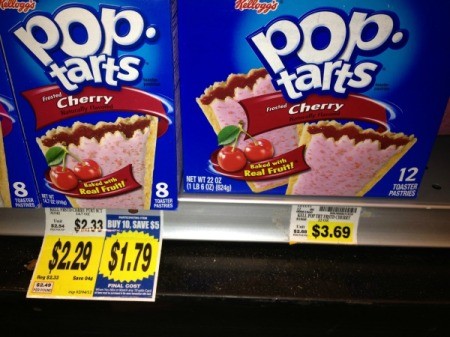
Be careful not to always grab for the biggest package assuming you are getting the best deal. Sometimes the smaller version may be on sale, making it cheaper. Believe it or not, sometimes they actually charge more for the "bulk" version of products.
As part of my frugal shopping plan, I often buy products in large quantities to save money. That means I have to repackage some of those items once I get home.
We purchased a second freezer a year ago. Instead of getting rid of the old one, we now use it as a place to keep leftovers, extras such as flour, cornmeal, bird seed, and items we find on sale and buy in bulk.
Smaller sized cans of vegetables are intended to attract buyers who cook for just one or two people. The convenience may seem nice but buying small size cans means you're actually paying more for the item than if you purchased a larger can.
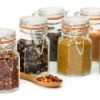
The next time you empty an herb or spice jar, don't throw it away. You can refill it at your local health or natural food store since most have big jars of bulk dried herbs. You can buy just a little baggie full for about a quarter. Most of the cost of grocery store herbs and spices are the name brand, advertising, packaging and shipping. You'll be amazed how much you'll save.
Buying food products in bulk can save you time and money. You can buy in bulk through the supermarket, food cooperatives, buying clubs, farmers' markets, and warehouses.
Shopping at the warehouse stores gives you gallon size containers which are cumbersome. The small size sport squirt top water/drink bottles are great for holding a manageable supply of oil, soy sauce or vinegar.
Buying food in bulk can help save money but not if you throw half of it away because it goes bad. I buy cheese and meats in larger quantities if the price is low enough. Dividing my purchase into more manageable servings and freezing helps me save time and money.
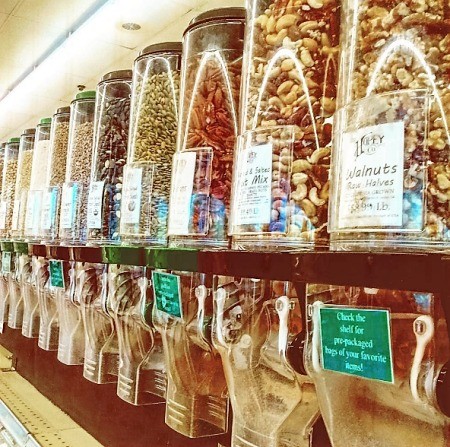
Bulk items are a great way to go in order to save money and eat healthy. These varied items will help you avoid all the excess packaging that most food products come with now again. They tend to be cheaper than packaged, brand name products as well.
Here are the questions asked by community members. Read on to see the answers provided by the ThriftyFun community.
I am attempting to buy grocery items in bulk. Any suggestions or tips?
By CRYSTAL from Zebulon, NC
Buying in bulk allows you to take advantage of sales and stock up on things when they're cheap. Also, dried legumes are really great for saving money. They are inexpensive and easy to make.
Check the price per pound rather than the package price to find the best deal. I know my supermarket sometimes runs deals where it's cheaper to buy the smaller packs of rice or pasta rather than the large bags.
Also I only stock up on the things I use regularly. There's no point in having a dozen cans of pumpkin taking up space in the cupboard if you only have pumpkin pie twice a year!
Make sure you have room to store your bulk buys, and don't fall into the trap of buying a bulk quantity of something your family will never touch. Oh boy, I learned that one the hard way!
One of the best bulk buys out there is the case of freezer zip-lock bags. Very handy to have around, and can be used to store other bulk buys like the rice that comes in the 5-10lb bags inside a case (seen that, it's handy to have rice and flour come that way, makes it easier to store and use).
Another very helpful tip I got when I started buying things like rice and flour in the case loads is to put the food into the freezer for a couple of weeks to kill off any critters that may have hitched a ride. Then drop the bag of flour or rice into a freezer zip-lock bag to stack on your pantry shelves.
Best tip? Watch the 'best by' or other expiration dates. Sometimes a bulk buy is a clearance of things way past their shelf life.