Every week, the average American generates around 23 lbs of waste. A large portion of that comes from the packaging of products we buy. Research suggests that $1 out of every $11 that Americans spend on food goes toward packaging. Here are some staggering facts about packaging:
Precycling, or buying products with less packaging, saves you money while reducing the amount of waste that ends up in our solid waste stream. The savings can be as great as 50% when you purchase products with less packaging because you're actually spending more money for the product and less on the packaging. By shopping smart and choosing your products carefully, you can lessen your impact on the environment by reducing waste at the source.
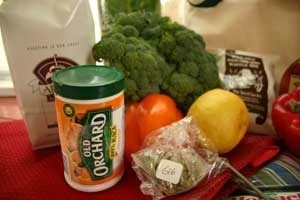
Although there are times when greater packaging is necessary, like in the case of health or shelf life reasons, in too many cases it's excessive. The best way to reduce waste is by shopping smart to reduce it at the source.
About The Author: Ellen Brown is an environmental writer and photographer and the owner of Sustainable Media, an environmental media company that specializes in helping businesses and organizations promote eco-friendly products and services. Contact her on the web at http://www.sustainable-media.com
Add your voice! Click below to comment. ThriftyFun is powered by your wisdom!
I have a co-worker who is long-time e-Bay seller. I shred all my 'junk mail' for him as he is able to use it for cushioning in the packages he mails out to e-Bay buyers! Recycling lives!!!
I've been trying to use my own cloth bags when shopping. The other day I bought something at a clothing store and gave the clerk my bag. She put the item in one of her plastic bags and placed it inside my bag! I took the item out of her bag and left it on the counter. Wonder if she reused it or threw it away? Many stores give you a 5 cent discount for using your own bag. Not much but a start!
Jess
In the Republic of South Africa, customers are charged for bags when shopping for groceries. We buy bags for R5 or so at the grocery shops and re-use them over and over again. The clothing shops provide plastic bags free. I think it is to protect them from claims resulting from customers' bags maybe not being completely clean on the inside.
I always use my own bags when grocery shopping and I keep a lapsak (Afrikaans for material bag) folded in my handbag for those just in case times. It takes up very little room and has come in very handy.
There are many sites that you can go to and you can create your own reusable bags FROM plastic bags. Do a search one day, you'll be amazed how many people are doing it.
Add your voice! Click below to comment. ThriftyFun is powered by your wisdom!