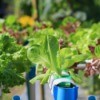
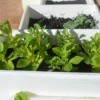
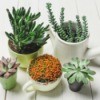
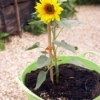
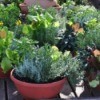
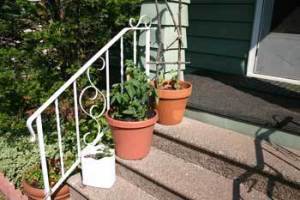
 If your ability to garden is limited by a lack of space, a lack of accessibility or poor quality soil, then consider container gardening. All you need is a selection of plants, a few containers, the proper growing medium, and a sunny window, balcony, or porch and you're on your way to an excellent crop of vegetables or flowers.
The varieties of vegetables, flowers and herbs that thrive well in containers are nearly limitless. Vertical "climbers" like bush beans, peas, cucumbers, and tomatoes adapt to container conditions easily. Vegetables like lettuce, eggplants, onions, carrots, peppers, potatoes, even corn and squash work well, too. In general, small, quick maturing crops perform best, as do compact varieties of normally large plants like cabbage and melons.
The success of container grown plants is highly dependant on the quality of growing medium provided for them. Both air and water are needed to support proper root growth so container soil should be somewhat porous. The soils typically used in gardens tend to be too heavy for container gardening. They compact easily and don't offer good drainage. A packaged lightweight potting mix works well. Some of these are slightly acidic so amendments may be needed.
Containers can be purchased, built or recycled from items found around the house or garage. The most important consideration is choosing containers that best accommodate your plants. Onions and radishes will grow fine in aluminum cake pans. Root plants, like carrots, need a deeper container.
Plastic containers are lighter weight, but can become brittle in cold temperatures. Terra cotta containers are wonderfully porous and beautiful to look at, but are heavy, break easily and tend to dry out more quickly. Wooden containers made from cedar or redwood are more naturally rot-resistant than other woods. Metal containers heat up rapidly which can cause root damage, so consider using a clay or plastic pot as a liner.Other things to consider are color and drainage. Dark colored containers absorb more heat, sometimes too much, which can damage plant roots and make it difficult for them to thrive.
Make sure all your containers have adequate drainage on the bottom or sides near the bottom. Place them on brick feet or place a saucer under them to catch excess drainage or consider setting them on castors (before filling with heavy dirt!) to keep them easy to move.
Watering: Plants growing in containers dry out more quickly and need frequent watering. Because their roots can't dig deeper to find moisture, they need constant attention. Check them daily in warm temperatures and give them water until you see it draining from the bottom of the container. Keep newly sown seeds and transplants moist and water older plants when the top inch of soil becomes dry. Mulch containers with grass or gravel pebbles to reduce moisture loss between watering.
Fertilizing: It's necessary to supplement the growth of container plants with fertilizer due to nutrients leaching out from frequent watering. After the first 3-4 weeks of growth, add a diluted organic fertilizer like seaweed extract, fish emulsion, manure tea, or compost tea when watering. Do this every two weeks and adjust fertilizer levels as necessary according to how the plants respond.
Light: The amount of light your container needs will vary by crop. Most plants require at least 5-6 hours of full sun per day. This can be maximized with the addition of reflective materials (aluminum foil, glass marbles) placed around containers.
Here are the questions asked by community members. Read on to see the answers provided by the ThriftyFun community.
I live in a town house so space is limited, I love to garden and tried a little last year with very little luck. I need help figuring out the best plants, and vegetables to plant in pots, and a small dirt patch (about 1' x 4'). Also, if there are any pointers on how to treat the dirt and watering would be great. Please help.
Hardiness Zone: 7a
By Laura from Neptune, NJ
When I lived in an apartment, I had good luck with lantana. It actually flowers more if you don't feed it! This is the kind I had in planters: www.thegardenfairies3.com/
Now that I have a house, I have one of these in the back yard: www.plantoftheweek.org/
It gets really big - at least four feet tall. I'm not sure how wide; we have to keep it trimmed because of a nearby fountain. It's been coming back for years and years.
For your container garden, I'd recommend the kind of lantana in the first picture. It's shorter and more sprawling. It looks really nice in a hanging basket, and it doesn't mind getting a little dry (but not bone dry). There are other color lantanas (purple and white, off the top of my head) with similar habit, but *I* don't care for them (but my mom loves these other colors). They don't seem as bug resistant and hardy as the good old yellow ones to me. Nothing will eat the yellow lantanas, but I ended up with caterpillars when I tried the purple ones.
Some other happy, easy flowers are zinnias, marigolds, and cosmos. And they can be started by seed, which is way cheaper than buying plants! There are shorter varieties of zinnias and marigolds (read the seed packet), but all the cosmos I've ever grown have gotten pretty tall, might not be good for such a small area.
Containers tend to dry out quickly (esp. here in hot Oklahoma). So I get some water holding crystals and add that to my potting mix and raised beds. You can purchase potting mix that already has the crystals in it, also.
These are the first things that come to mind. I'm sure there is more to share. I hope you find inspiration and have a successful garden this year. Good luck!
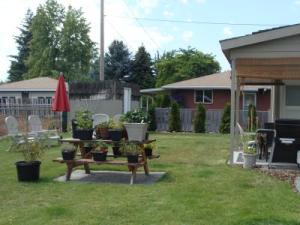
I started a container garden on a picnic table that was never used just last year. It looked good with plants of all sizes and pot styles on the table and matching ones on the benches. I had the best luck with peppers (Red Grenn & jalepenos) jalepenos can take a pot around 8", but the peppers needed around 10-12" Herbs were especially easy to grow in my smaller pots and I found they really made a difference in the level of taste and seasoning in my cooking. I grew rosemary, lemon oregano, parsley and sage in smaller pots along with some cherry tomatoes and strawberries, too. The leaf lettuce was not a good idea!
When you decide to try container gardening there are several things you will need to be aware of and attend to in order to ensure success, such as type and size of container, soil, moisture, and more. This is a page about great tips for container gardening.

ThriftyFun is one of the longest running frugal living communities on the Internet. These are archives of older discussions.
I would like to try container gardening. Does anyone have any hints, tips, ideas? Do's and Don'ts?