ThriftyFun Logo
Home   Find   Ask   Share   Answer   Join   Index   Login  
 
 User Login:  Username:    Password:      Forgot It?  | Join ThriftyFun!

 - Beauty
 - Budget and Finance
 - Cleaning
 - Consumer Advice
 - Craft Projects
 - Craft Tips
 - Food Tips
 - Garage Sales
 - Gardening
 - Gifts
 - Green Living
 - Home Improvement
 - Organizing
 - Parenting
 - Parties
 - Pest Control
 - Pets
 - Product Reviews
 - Recipes
 - Repair
 - Weddings for Less

RSS Feed
About Us
Media
Advertising
Contact Us
Privacy Statement
Disclaimer

Growing: Ornamental Grasses

By Ellen Brown
1x1
Date: 03/15/2006 Topic: Gardening > Growing Guides > Perennials  
1x1
Post Feedback | Get Responses | Bookmark | Link | Print | Print (With Feedback) | Rate: Thumbs Up Thumbs Down | Bookmark and Share
Growing: Ornamental Grasses
Life Cycle: perennial
Planting Time: spring or summer
Height: height varies from compact mounds to tall screens to spreading mats
Exposure: full sun to partial shade
Soil: all types; most grasses are adaptable to soggy, dry or nutrient poor sites where other plants will not grow
Hardiness: depends on variety
Bloom Time: depends on grass type
Flower: a wide variety of colorful flower spikes including maroon, red, pink, silver, white, yellow or beige.
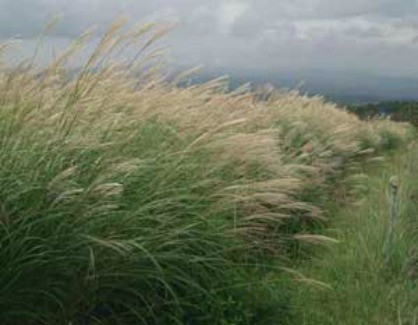
Foliage: various textures and colors including greens, blues, reds, whites, yellows and variegated blades; seed heads range from inconspicuous to dramatic feathery plumes
Propagation: seeds
Suggested Use: fillers, screens, borders, backdrops, ground covers, winter interest, container plants, ornamental accents and dried arrangements
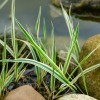
Growing Hints: Growing requirements vary by grass type. Care should be taken to provide adequate space for growth, without allowing grasses to take over your garden. Grasses should be spaced as far apart from other plants as they are tall. Set plants into prepared holes so that root balls rest just below the surface. Holes should be twice as deep as the root ball. Add compost before filling. Grass should receive 1 inch of water per week throughout the first season. Add mulch around base in the fall to protect roots and shoots from freezing over winter and to provide new nutrients for next season's growth. Fertilize in the spring with a slow release 3-1-2 fertilizer. Common oriental grasses include: Pampas, Purple Fountain Grass, Blue Fescue, Maiden Grass and Zebra Grass.
Pruning
Oriental Grasses:
Grasses experiencing winter dieback can be cut back to within a few inches of the ground in early spring before new growth begins. Evergreen grasses generally do not need trimming or pruning.
(1x1 graphic )
Previous: Growing: Penstemon (Bearded Tongue) ThriftyFun Next: Growing: Lily-of-the-Valley
(1x1 graphic )
1x1
1x1
 Feedback
1x1
1x1
1x1

No Feedback Yet

Be the first to post feedback! Click here to post feedback.

1x1
1x1
 Post Feedback:
1x1
1x1
1x1

Login using the form on the top of the page to post feedback (if you are a registered user). If you have not yet registered, click here to do so. It's FREE!.

1x1
(1x1 graphic )

© 1997-2009 ThriftyFun.com - Design by Cumuli Design
Disclaimer: ThriftyFun.com cannot accept any responsibility for any injury or damage that you may cause to yourself, others, or property when following any advice given on this site. Read the full disclaimer. If you find any information on ThriftyFun.com or in our newsletters that is either erroneous and/or potentially harmful to others, please Contact Us, immediately.