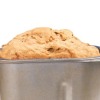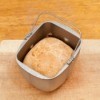
When making bread machine bread, I make one recipe for the machine, and another one for the zip bag. I omit any liquid or fat from the bag, and write the measurements for the water, oil, etc, and temperature/baking time on the label. You could make up as many of these homemade bread mixes as you wanted. I store mine in the refrigerator.
Add your voice! Click below to comment. ThriftyFun is powered by your wisdom!

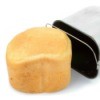
Here's an easy way to remove the paddle from your bread machine without a lot of mess. Next time you go out for Chinese food ask for chopsticks. They are free so take them home and when your bread is ready to be removed from the bread maker, turn the loaf upside down & place one of the chopsticks in the middle of the hole of the paddle. Gently remove.
By Joesgirl
When I am assembling often used recipes for my breadmaker I measure all the dry ingredients once into the breadmaking pan and once into a zip-lock baggie. I separate the yeast into a tiny zip lock bag I bought from the craft section of the dollar store. I then label and date the baggie. Next time I make that particular recipe the dry ingredients are all ready with no fuss or muss.
By Faye
I don't care for bread "baked" in my breadmaker. As we enjoy many kinds of Focaccia, Bread Sticks, Dinner Buns etc. I use the "Dough Only" setting. With little or no mess, I end up with a well mixed, perfectly kneaded & once risen dough to do with as I like. I finish it off in my regular oven.
By Faye
When your bread is ready to remove from the machine tip it upside down and use a Chinese chopstick to remove the paddle. It comes out so easy. Don't have chopsticks? Next time you or any one you know goes out to eat at a Chinese restaurant request chopsticks and then wella, you're all set to go.
By joesgirl
If you are going through the whole bread cycle, kneading and baking, set a timer so that right before the final rising starts you can take the paddle out and have only a tiny little hole in your loaf instead of a big hole when you leave the paddle in. The times for each segment of the process are found in the booklet that came with your machine.
I always add things to my bread to use them up and gain the extra vitamins/minerals.
If I have leftover sweet potato (or any vegetable), I'll mash it up and add it to the liquid. Fruits work well too. A mashed banana with nuts or a pureed apple with cinnamon makes the house smell good and tastes great too. Since the vegetable/fruits are moist, adjust the liquid accordingly.
I often will use the vegetable stock from steaming vegetables, like broccoli or green beans instead of water or milk. If the recipe calls for milk, add powdered to the stock. It smells a little different, but once baked, you can't tell the difference. Juices give breads a varied flavor, whether fruit or vegetable (like V-8). Sometimes I'll add a little leftover spaghetti sauce for a great tasting Italian bread.
I also like to add dried fruit (like dates) and ground nuts for a great sweet bread. Sliced almonds are interesting, especially when the finished bread has a glazing on top. We often eat this for a snack in place of dessert.
I routinely use olive oil in my breads in place of butter and honey in place of sugar. Molasses gives a great flavor and a nice brown color. Also, try different grain flours in place of white. I especially like white or whole spelt, rye, rice, quinoa (gives a cornmeal like texture), amaranth, and buckwheat. Use singularly or in combination with other flours. Remember that different flours absorb differing amounts of liquid, so you may have to experiment.
I love all of the tips. I bought a recipe book at the half-price book store in town, and I'm having a blast experimenting with different recipes. It's so easy I can try a new recipe every day if I want to. My favorite so far is English Muffin bread. It is my ideal for the perfect white bread, crispy on the outside, moist and chewy on the inside. I baked a loaf yesterday, and it has already disappeared. I have another one in the machine right now.
ENGLISH MUFFIN BREAD
Medium 1 1/2 pound loaf
water 1 1/4 cup (very warm to activate yeast)
sugar 2 tsp.
baking soda 1/4 tsp.
flour 3 cups
nonfat dry
milk 3 tbs.
yeast 1 1/2 tsp.
Put in bread machine in the order recommended by your brand's manufacturer.
This recipe is from The Bread Machine Cookbook
by Donna Rathmell German
A Nitty Gritty Cookbook
San Leandro, Cal.: Bristol Publishing, c1991.
I haven't made bread witih my machine in quite awhile, but I like to add seasoning for dips - like French onion, cheddar,bacon bits, dill, etc. Watkins has a great variety of seasonings that make that homemade bread even better - and the smell - oh...........yummy!! I also take it out of the machine and bake it in the oven. Just don't care for the way it turns out when I bake it in the machine.
King Arthur Flour - web site has some very good receipts for bread machines. I use my bread machine often.
This is the one I use for my bread machine:
BREAD MACHINE FRENCH BREAD
1-1/3 C water
1 TBSP butter, softened
4 C white bread flour
5 tsp white sugar
1-1/2 tsp salt
1-1/2 TBSP "instant" yeast
Add ingredients per directions for your particular bread machine.
MY NOTES: I use instant yeast as I don't have to worry about temperature of water or temperature of yeast, in fact, the instant yeast can be used straight from freezer.
Also, I use "dough only" setting so that I get a bigger better loaf of bread. I then remove dough from machine, form it into a loaf, put in greased loaf pan, cover it & let it rise in a warm place for approximately 35-45 minutes, then bake in regular oven at 350°F for 26-30 minutes. Times really depend on your oven temperatures, each oven is different so adjust for yours.
We love this bread recipe & the only time we buy bread is if we run out of the homemade which we can't stand to eat, the baker's bread, that is. Hope you try this & enjoy.
Add your voice! Click below to comment. ThriftyFun is powered by your wisdom!