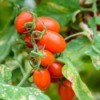
This is my first time growing gourds some of them are starting to turn white. Is this normal or am I doing something wrong?
Hardiness Zone: 5a
Karon from Paxton, IL
Karon,
As long as they don't show signs of rotting or damage, I wouldn't worry about it. Several varieties of gourds turn white when they mature, and others go through several color changes as they develop, including white, before they set their final color. When the stems start to dry and turn brown, you'll know your gourds are ready for harvesting. Most varieties will tolerate a light frost providing that they have matured sufficiently enough to form a semi-hardened shell. Less mature gourds are likely to suffer damage from frost and may need to be discarded. Be careful not to bruise your gourds during harvest. Even slight bruising can put them at a greater risk for decay during the drying process.
To harvest, cut the gourds from the vines with a sharp knife or shears, leaving each gourd with a few inches of stem. Before curing, wash the gourds in warm, soapy water to remove any dirt and wipe them down with a soft cloth moistened with bleach water or rubbing alcohol. This will help to destroy any organisms that promote rotting. Dry each gourd with a soft cloth and place them in a single layer on newspaper or paper bags so that they don't touch each other while curing.
Smaller gourds can be used as they are or preserved with wax, shellac, or paint. Large gourds can be polished smooth with steel wool or fine grade sandpaper and then painted, stained, or waxed for preservation.
Ellen
About The Author: Ellen Brown is our Green Living and Gardening Expert. Click here to ask Ellen a question! Ellen Brown is an environmental writer and photographer and the owner of Sustainable Media, an environmental media company that specializes in helping businesses and organizations promote eco-friendly products and services. Contact her on the web at http://www.sustainable-media.com
Add your voice! Click below to answer. ThriftyFun is powered by your wisdom!