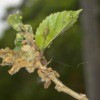
I have a hibiscus tree that is potted and placed on my deck. It still has beautiful yellow blooms, but I've recently found the leaves to be yellowing and falling off the plant. Nothing has changed with exception of the heat has intensified. I keep it watered, but the surface soil typically looks dry. Could it not be getting enough water or perhaps too much?
Hardiness Zone: 8b
Karen from Mobile, AL
It isn't all that uncommon for container plants to show some signs of stress when summer sun really starts turning up the heat. Hibiscus is usually quite tolerant of intense summer heat, but no plant does well with extreme changes in temperature and humidity. When a hibiscus develops yellow leaves, it's most often caused by a lack of water, root damage, over-fertilizing (which isn't easy, as they are heavy feeders), or the leaves are simply getting old and they need replacing. A few yellow leaves is normal and nothing to panic over. Many yellow leaves indicate stress (usually due to under-watering or a pest attack from the likes of spider mites) and action is warranted.
Hibiscus should be watered (and fertilized) often during the spring and summer growing season, even more so when they are grown in containers. The tricky part of watering them in containers is avoiding root rot. These plants are native to tropical, swampy areas, so keeping the soil evenly moist at all times is ideal. That said, you don't want the roots to stand with wet feet, so letting the surface soil dry out a bit between watering is typically okay. Any excess water remaining in the planter 30 minutes after watering should be dumped.
Other than keeping the soil consistently moist (not wet), the other thing I would recommend is checking for insect infestations-especially on the tips of shoots, on the buds, and on the undersides of the leaves. Hibiscus can be susceptible to aphids and spider mites. If you don't see any signs of pests, give your plant some time. It sounds like you're doing everything just right.
Ellen
About The Author: Ellen Brown is an environmental writer and photographer and the owner of Sustainable Media, an environmental media company that specializes in helping businesses and organizations promote eco-friendly products and services.
Add your voice! Click below to answer. ThriftyFun is powered by your wisdom!