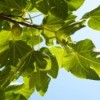
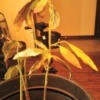
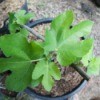
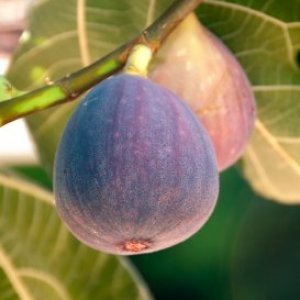
 Can anyone suggest the best variety of fig for this area? I am actually out on the peninsula in Bremerton west of Tacoma. I grew up in the south and love fresh figs. I have tried the larger fruited green figs and they are an OK choice. I would prefer a brown varietal if that is possible in my area. Thanks in advance.
By Barbara
Check with your local county extension office. They are associated with the Washington State University which will have some gardens which they test grow to see what works in your area.
Here are the questions asked by community members. Read on to see the answers provided by the ThriftyFun community.
My fig trees are mature and have plenty of figs, but they are no bigger than a quarter for 1 1/2 months. Why?
Hardiness Zone: 7a
Joe from Port Chester, NY
I believe this has more to do with the type of fig tree that you have. I have this type also, and a friend who has a nursery said if I want large figs, I should plant a Turkey Fig. I plan to do so this Fall. My fig tree bears all summer, but they are very small figs.
What color is a fig on the inside when rips. We have figs getting soft and drooping, but they are white on the inside. Are they ripe?
By Billie
There are three types of fig: the green or white, the grey or red, and the black or purple, the white fig is more adapted to cold weather than the others.
I like in the UK and last year I was bought a brown Turkey fig tree around 3ft tall. I am unsure of its age. I have espalier it and it is around 10ft wide now and 5.5ft tall. I immediately repotted it so the roots would have ample room for figaro to stretch his legs. I had around 10 figs the first year so I was very happy.
My question is: One of the main branches looks darker on the end and seems to be bendy and moist, not woody or strong at all. Is this a problem? Because I don't know the age or if this is an issue I don't know whether to cut it back to the point it looks OK. Any advice for a sad soft branch? Also no sign of regrowth on this branch (it is 26th Feb in Great Britain).
Please help.
Thank you xxx
You could have a borer infestation. Check and see if there are holes in the branch. If so, call a tree specialist to prevent the tree from dying.
Can you call the nursery where you bought it and ask them? Or are there gardening clubs in the area that could help you?
Definitely look for other signs of disease or infestation (such as bite marks, etc) and I would say, cut it off. There's no way that that's good for the tree.
Common fig issues are fig rust, pink bblight, www.gardeningknowhow.com/
also watch out for this: "Root Knot Nematodes These very common, invisible roundworms cause damage that can be difficult to diagnose, often mimicking other root diseases. Trees infected with root knot nematodes show a gradual decline, have chronically poor health and arent as vigorous when developing leaves and fruits. Digging a few roots will reveal swollen galls that ultimately block the root system, causing the death of the fig. Root knot nematodes are difficult or impossible to kill, since they protect themselves with the plants own tissues.
Read more at Gardening Know How: Problems With Fig Trees: Common Fig Tree Diseases www.gardeningknowhow.com/
i would definitely cut this branch back to where thee is normal growth and move the diseased branch far away from any plants. Also, do you live in a zone that you will be able to plant your tree outside? This is a good container fig but it would probably grow better outside.
Maybe you could try to find a master gardener in your area that would give you some advice about your tree.
Here is a good information site for your container fig:
www.gardeningknowhow.com/
I have a brown turkey fig tree. The leaves are coming out good, but some are starting to curl up. The tree is about 4ft and in the open sun. Any ideas?
Mist the leaves. See if that helps. They may need more water.
here in louisiana we are receiving enough rain that should take care of that. thanks
To what height can I cut back a mature fig tree to get it to grow like a bush instead?
By Nancy I
My friend grows these and interestingly enough, she said most people ask the opposite question...they end up with bush like trees they want to be larger:
www.houzz.com/
She likes this site for hints on trimming (you will need to determine managable size and then work with the tree's genetics to slowly get it to where you want it):
homeguides.sfgate.com/
Some people do the trees in containers, but they seem to have luck doing this from new starts, not with an existing tree trying to move it (that is apparently ripe for EPIC fails):
Now that I have talked to her and read these, I am hungry for honey and a fig and some lovely creamy cheese. MMMMMM!!!
Prune during the winter. You can prune by half.
My fig tree looks like it has worms. What can I do to treat it?
By ona from Cape Town, South Africa
I have never heard of this, maybe your county agent can give you some info, good luck.
Add about two tablespoon garlic paste to a jug of water, stir well and spray. Sprinkle wood ashes. Good luck
I just bought a brown turkey fig tree (3 ft tall) for my mom. She lives in a trailer home and I'm concerned about where she can store it in winter. She does not have a garage. Any suggestions?
She can bury the tree up to the rim with dirt to protect it in the winter.
 I have a potted fig tree and took it inside my garage, as there will be frost very soon. I have read all the information and will water it 1-2 cups every 4 weeks. Although all the leaves have fallen off, there are several unripened figs left. Should I take them off? I plan on planting it in the ground next spring any tips?
By Marianne D.
Your plant is very thirsty and needs water promptly. You can revive your plant by giving it water. The easiest technique is to slowly pour water into your plant soil so that the whole service is moist. If you pour too quickly the water will flow directly through rather than diffusing throughout the soil if your plants pot does not have drainage holes do not give your plant more than about 1/3 of the pots volume of water.
What can I spray on my fig tree to get rid of the scales on the leaves? The scales are like little shell.
By Nevenka from Sydney, Australia
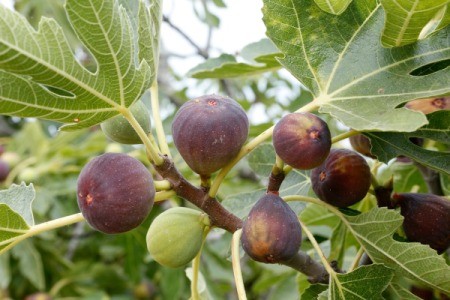
Check out these photos.
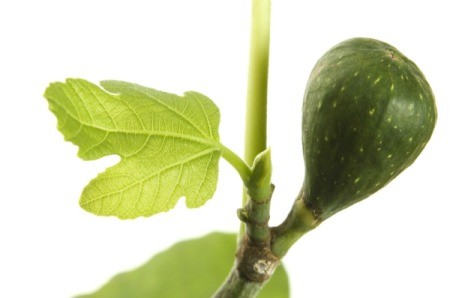
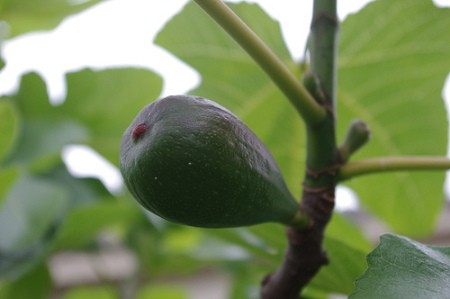
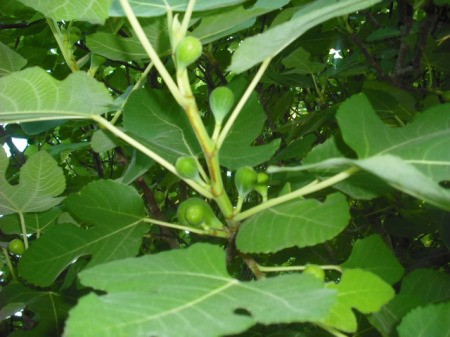
Here in Louisiana the figs are setting, and are the most beautiful green. This variety is the Brown Turkey Fig. When the figs ripen in about a month, they will be the most gorgeous brown color with hints of pink and purple.
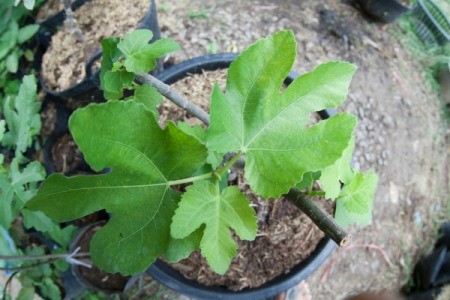
This is a page about growing figs in containers. Figs can successfully be grown in containers as long as you are willing to give them the extra care and maintenance required.
Are your figs are not ripening? Check out this page to find tips and tricks on how to get your figs to ripen.
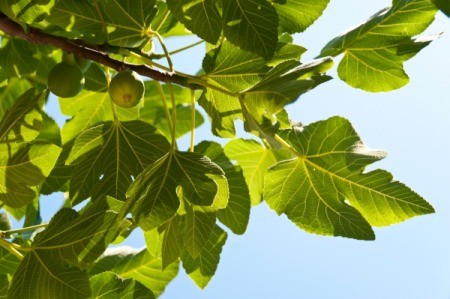
This is a page about fig tree not producing fruit. Having a fruit tree that does not produce fruit is very frustrating.
This is a page about propagating a fig tree. There are several ways you can propagate a fig tree some are more successful than others.