 When building a deck or fence, use the appropriate size screws instead of nails. In doing so, you can easily remove and replace the boards without damaging either the posts or the post rails and it's a much easier job to do that way, too!
For example, one time we needed to remove a section of the fence for a hot tub delivery. Another time, we needed to remove just enough boards to slide a very large backyard glass top table through that we couldn't maneuver through the gate. And yet one other time, we needed to remove a few boards from the deck floor for access to do a hot tub wiring repair.
I don't remember the cost difference between a box of nails and a box screws but it wasn't much and ended up being worth it in the long run.
This page contains the following solutions.
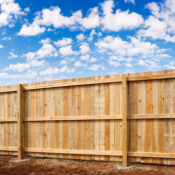
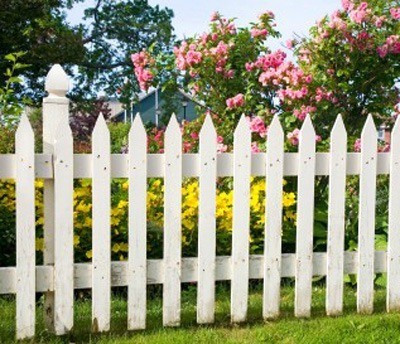
Building a fence is a long-term investment, so it's important to choose a material and design style that enhances your home and garden. It's also important to be realistic about future repair costs and how much regular maintenance you're willing to take on.
Here are the questions asked by community members. Read on to see the answers provided by the ThriftyFun community.
I need to replace the fence I have, it's really old. I need a 6 foot fence which I hope to look decent. Anyone have any tips for an inexpensive way to go about this? I don't have a lot of money right now but want to get it done before the fall/winter.
Check out Bamboo coverings. They come in rolls and with ties. All you have to do is roll it out and tie it down.
This is a lot of work,but you could use free pallets that newspaper offices set out for free pickup,take them apart and use the 2x4's or other material that these are made of.
Go to your local Pallet company,they have lots of broken palets that are mostly oal and they would work beautifully,what about chicken wire or used chainlink?
What are some alternative ideas for a fence?