Browse   Newsletters   Contests   Ask   Share   Account   About

Attracting Hummingbirds

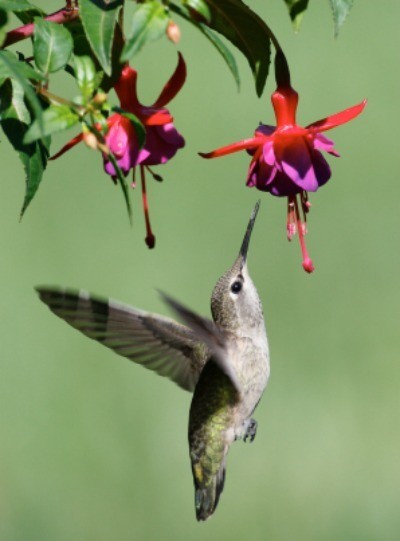
Hummingbird flying.Hummingbirds are colorful little visitors. Whether you want to attract them with feeders or the plants in your yard, attracting them is quite easy. This is a guide about attracting hummingbirds.
     

Solutions: Attracting Hummingbirds

Read and rate the best solutions below by giving them a "thumbs up".

Attracting Hummers To Your Garden

One of the greatest joys of having a flower garden is watching the hummingbirds dart from flower to flower-wings buzzing away while their tiny bodies hover in mid air. Late winter signals the start of the hummingbird migration as they head back to their breeding grounds in the United States and Canada. The males will return first, with the females arriving a few days behind them. Here are some tips for attracting hummers to your garden this year.

Humming Birds Facts

  • There are 16 species of hummingbirds in the United States and Canada. The Ruby Throated hummingbird is the most common.

  • A hummingbird can beat its wings anywhere from 60 to 200 times per second, fly at speeds of up to 60 mph, and migrate more than 600 miles. In flight, they are capable of maneuvering forwards, backwards, from side-to-side and even stopping in mid flight.

  • The average lifespan of a hummingbird in the wild is 5-6 years.

  • A hummingbirds diet consists primarily of nectar and insects. They lap nectar using long, grooved tongues, which empty into their throat when they constrict their bills.

  • Hummingbirds do not sing true 'songs'. Instead, they communicate using trills and chirps.

  • As the smallest birds in the world, hummingbirds have incredibly fast metabolisms. To stay fueled up, they must consume roughly half their weight in sugar each day.

  • When hummingbirds need to conserve energy they go into a sleep-like state called 'torpor'. Torpor requires 50 times less energy use than a fully awake state, but renders the hummers unable to respond to emergencies. During torpor, their body temperature may drop by as much as 50 degrees and their heart rate slows from 500 beats per minute to 50. It takes approximately 1 hour for a hummingbird 'wake up' from torpor.

  • Hummingbirds have poorly developed feet (they can hardly walk), but they do like to perch.

Plants That Attract Hummingbirds

Hummingbirds play a vital role in garden ecology. Because of their fast metabolism (some say 100 times faster than an elephant) they need to eat constantly. As they fly from to flower to flower to feed, they pollinate the plants. In fact, without the hummingbirds help, some flowers would be incapable of reproducing. Here is a list of flowers and plants that most hummingbirds find irresistible:

Trees & Shrubs

Abelia, Azalea, Bottle Brush, Butterfly Bush (Buddleia), Cape Honeysuckle, Catoneaster, Hibiscus, Flame Acanthus, Flowering Current, Flowering Quince, Lantana, Lilac, Manzanita, Mimosa, Red Buckeye, Tree Tobacco, Turk's Cap, Weigela.

Vines

Bougainvillea, Coral Honeysuckle, Cypress Vine, Morning Glory, Rosary Vines, Scarlet Runner Bean, Trumpet Creeper, Trumpet Vines.

Flowers

Perennials: Bee Balm (Monarda), Canna, Cardinal Flower, Columbine, Coral Bells, Gladiolus, Four-O-Clocks, Foxglove, Iris, Hosta, Hummingbird Mint (Agastache), Little Cigar, Lupine, Penstemon, Yucca

Annuals: Beard tongue, Firespike, Fuchsia, Impatiens, Jacobiana, Jewelweed, Nasturtium, Petunia, Salvia, Shrimp Plant, Spider Flower, Zinnia.

Hummingbird Feeders

Many gardeners choose to supplement the diets of neighborhood hummingbirds by offering them sweetened water from a feeder. Feeders are widely available at discount stores and garden centers. Most common are the plastic inverted bottle-style feeders and basin feeders. When selecting a feeder, look for one that is easy to clean and maintain, and preferably, one that offers perches. Despite their underdeveloped feet, hummingbirds will gladly take advantage of a chance to rest while they feed (and you'll get some great pictures). Use hot water to rinse the feeder every time you refill it. Periodically, (maybe once a month) soak the feeder for two hours in _ cup bleach and one gallon of water. Rinse well and refill with syrup.

Ideally, feeders should be hung near windows-close enough to watch the action. Cutouts of predatory birds or partially closed vertical blinds will prevent bird strikes on windows, although that seldom seems to be a concern with hummingbirds. It isn't uncommon for hungry hummers to empty feeders quickly so check them daily. Also, be aware that in some areas (parts of the southwest), sugar loving bats also like hummingbird feeders and may empty them overnight. These bats are important pollinators to desert plants, so don't harm them, just bring your feeder indoors for the night.

Recipe for artificial nectar:

  • 1 part ordinary white cane sugar to 4 parts water.

Boiling this syrup is not necessary. Fermentation problems are caused by organisms on the bird's own beaks, not by the water. Unused syrup can be stored in the refrigerator for up to 2 weeks. Syrup will spoil quickly in warm weather so discard any unused portions after a few days and refill with fresh syrup.

Do not use Jell-O, honey, brown sugar, or fruit in your feeder. These can harm, and in some cases even kill hummingbirds. Do not use distilled water (it lacks important trace minerals) or red dye to color the water in your feeder (the base of most feeders are colored and if not, hummingbirds are smart enough to figure it out anyway).

By Ellen Brown

3 0SharePrintFollow4 Feedbacks

Hummingbirds And "Four O'Clocks"

For the first time, I have hummingbirds in my yard. For the first time, I grew salvia coccinea, and the hummers love it. I also have petunias, nasturtiums, and some "four o' clocks" that I've heard hummingbirds like, but have never seen them at those flowers.

For several days, I pondered how much hummingbirds like "four o' clocks," then a hummingbird showed me the answer.

Four o'clocks open in the morning, then close, then open later on again.

The four o'clocks were half-closed, and the hummer went to them, to white, yellow, pink, not even bothering with the red flowers, and showed me, "how can it bother with nectar from these flowers, when the flowers are closed most of the day?"

That's when I realized that hummingbirds love flowers and their nectar so much, that they prefer flowers whose long tubed petals stay open all day, so they can keep getting the nectar from them.

Four o' clocks open, then close, then open again. They are a fussier flower.

That's what the hummingbird showed me the other day.

By Carol from SouthBend, IN

1 0SharePrintFollow1 Feedback

Hanging Baskets for Attracting Hummingbirds

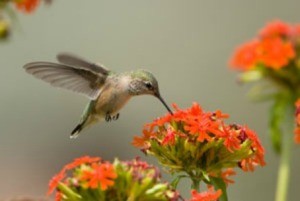
Hummingbird Feeding from Flower

Hanging baskets are a great way to attract hummingbirds to your garden. Once they find your flowers, they will return again and again, to dine on them all season long.

Tips for Selecting Flowers

Hummingbirds feed often - about every 10 minutes. In fact, in a single day they typically eat many times their body weight in sugar. When selecting flowers for your hummingbird baskets, look for nectar-rich, tubular or trumpet-shaped blooms, which the birds will be able access easily with their long, trough-like tongues.

Aim for a variety of different flowers, and be careful about using too many hybrids, as they tend to produce less nectar than their "wilder" cousins. Regardless of which types of flowers you choose, make sure that all of the plants in each basket share similar food, water, and light requirements. Here are some other important points to consider:

  • Growth habit. Hummingbirds feed while hovering in midair and rapidly beating their wings (up to 100 beats per minute). To facilitate easy feeding, choose trailing plants with blooms that protrude cleanly from the plant's foliage.
  • Flower color. Hummingbirds rely on their eyesight to find food. According to ornithologists, they most attracted to the color red, which they can see from great distances. Although red may be the color most likely to draw them in, they will happily drink nectar from flowers of any color.
  • Flower abundance. These tiny birds are efficient feeders. Baskets featuring plants with prolific amounts of open blooms, like Million Bells, will be visited more often than plants with only a few large blooms, such as Hibiscus.
  • Bloom time. Plan for an extended season of blooming. This can be done by planting several different baskets with staggered bloom times, or by selecting plants that bloom continuously throughout the flowering season (e.g. petunias).

    Northern gardeners will still want to offer nectar in traditional hummingbird feeders for hummers that return to breed in the spring before the growing season has gotten fully underway.

  • Provide water. Hummingbirds love water, but they don't necessarily bathe the same way that other garden birds do. Instead, they prefer to brush against wet leaves after it rains, fly through misting water, or splash in shallow basins to get clean. After their bath, they find a perch to preen their feathers, and may even take short sun-bath to dry off.

Selecting Baskets

Hummingbirds are not at all picky about what type of basket you use, although wire baskets lined with sphagnum moss are a nice choice, as lichen and moss are their preferred nesting materials. A basket 12 inches or more in diameter will be easiest to maintain and will be more visually appealing because it can hold more plants.

Hanging Your Baskets

When hanging your hummingbird basket, choose a sunny location that is sheltered from the wind. Ideally, it will be near enough to a patio or deck to allow you to closely watch their activities. Male hummingbirds can be quite territorial. Hanging a second basket out of view of the first (e.g. one in the backyard and one in the front yard) can help reduce competition among birds.

If you are using a pole system or Shepard's hook to support your basket, seal the pipe seams with a small amount of clear silicone gel. There have been reports of birds injuring their tiny feet by accidentally getting them stuck in between the seams of the poles.

Try to hang your basket in the same place each year. Hummingbirds have very reliable memories and will look for hanging baskets in the same location year after year.

Flowers Recommended for Hummingbird Baskets:

Annuals:

  • Begonia
  • Cigar plants
  • Cosmos
  • Four-o-clock
  • Fuchsia
  • Geranium (trailing types)
  • Impatiens
  • Lantana
  • Million bells
  • Nasturtium
  • Nicotiana
  • Parrot's Beak
  • Petunias
  • Phlox
  • Salvia
  • Scaevola
  • Shrimp Plant

Perennials:

  • Agastache
  • Bee balm
  • Coral bells
  • Dwarf Delphinium
  • Penstemon
  • Phlox
  • Salvia
  • Snap Dragon
  • Verbena
  • Veronica

Vines & Climbers:

  • Canary creeper
  • Cardinal climber
  • Caroline jasmine
  • Clematis
  • Cypress vine
  • Honey suckle vine
  • Morning glory
  • Scarlet runner
  • Trumpet creeper

By Ellen Brown

1 0SharePrintFollowPost Feedback

Flowers To Attract Hummingbirds

Flowers to attract hummingbirdsWhen I put up my first hummingbird feeder, I didn't think I would be lucky enough to attract them. My husband and I were sitting on our patio, and as he was saying "I don't think we'll get a hummingbird here, we're in the middle of a development", a Ruby Throated Hummingbird comes swooping down to take a drink of nectar from the feeder I had hung. That was 14 years ago, and they are still a joy to watch.
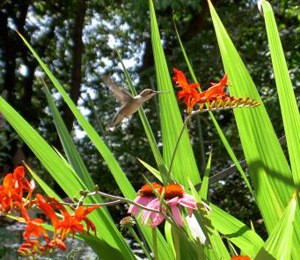
Over the years, as my garden grew, I added more and more plants for my little visitors. One day a hummer flew over to the feeder, but then saw the Scarlet Runner Bean, a few feet away and quickly decided she liked the real thing much better. Once I saw her preference, I took the feeder down. My garden is filled with sweet delights for her to choose from. Hopefully I can help you attract these little marvels to your backyard. By feeder or flowers, you'll enjoy the company.

Supplies:

  • Hummingbird feeder
  • or small vial /cordial glass
  • red ribbon
  • sugar and water
  • Hummingbird flowers

Instructions:

You can buy a feeder or you can use a small glass. My mom had used a small cordial glass, wrapped a copper wire around the glass and it's handle, so it would hang at an angle. She put a red fabric ribbon on the handle. Hummingbirds are attracted to red, and can see red a half mile away.

You don't have to buy the nectar, it's very easy to make. 1 part sugar to 4 parts water. Boil 1 cup of water, stir in 1/4 cup of sugar until dissolved. Let cool. Pour half of your mixture into feeder, store the rest in the frig.

You'll need to clean the feeder every 3 days to avoid any fungus or bacteria, it could kill the birds. (I used vinegar to clean it) Hang the feeder for good viewing, but not too close to where you might be sitting. 15 feet away is good.

For attracting the hummers with flowers:
(These are the flowers I found to be their favorites in my garden in New Jersey.)There are many more flowers that attract the hummingbird. I find these to be their favorites. Although they are attracted to red, they do go to other colors.

  • #1 is the Scarlet Honeysuckle Dropmore (I think that's the name), it's a perennial vine. It flowers from May to Oct.

  • Next is an annual vine, Scarlet Runner Bean. I plant the bean every year, easy to grow, but I have to protect it from the bunnies. You can find this in the nursery dept. with the seed packets. Or just save the dried beans after you've grown your first vine. Plant it the next year, after your frost date (NJ's is May 15th).

  • Another wonderful favorite is Crocosmia. I have the red perennial. It grows 25-30 inches high and blooms in June. The hummer will sit on the arching stem and take in the sweet nectar.

  • Liatris is just another favorite for the little winged spirit. I have the purple Liatris, which grows about 24 inches in a spiked form.

  • Perennial garden phlox will attract, there is a variety of colors and grows about 30 inches.

  • Cardinal flower is also an appetizing perennial treat, the red flowers appear on green spikes at about 24 inches.

  • Perennial butterfly weed is a pretty orange flower, at about 18 inches high (it grows in a somewhat bushy form).

  • Annuals you'd want to plant are nicotiana, lantana, petunia, verbena and zinnia.

  • Butterfly Bush can be part of their diet, but I find the other flowers attract her more. Of course it doesn't hurt having the sweet smelling butterfly bush around, butterflies rarely pass by this one!

Enjoy!

By Deb H. from East Brunswick, NJ

1 0SharePrintFollow2 Feedbacks

Attract Hummingbirds with Red Shirt

I have lots of flowers outdoors, and we usually we get about 1-2 hummingbirds. This week we've counted 4 at one time. I went outdoors with a red shirt on, holding the hummingbird feeder with my arm outstretched. 2 hummers came up, and 1 ate from the feeder as I held it. My husband came out with the camera, and of course, they flew away. We will try it again to get a picture. They are so much fun to have around. They were eating the hosta flowers, too.
0 0SharePrintFollow1 Feedback
Share Your Feedback: Once you try any of the above solutions, be sure to come back and give a "thumbs up" to the solution that worked the best for you. Do you have a better solution? Click "Share a Solution" above!

Questions

Here are questions related to Attracting Hummingbirds.
Feeding Hummingbirds

When are the best times during the year and during the day to put a hummingbird feeder out?

By Elliot M from Cleveland, OH

SharePrintFollow1 Feedback

Most Recent Answer

By Chloelizabeth04/18/2012

I plan to put out a feeder in about two weeks and I am in east central Indiana. Leave the feeder out until at least two weeks after you see the last hummer. Leave them out all day and night, but do keep them clean and DO NOT USE food coloring. Hummers are curious and they will find the feeder.

Use just plain water and sugar, about 3 to 4 cups of water for each cup of sugar. Hummers like it sweeter, but this mix is better for them. You do not need to buy the mixes, but it must be real sugar as they need it for energy. There are many sites about hummers.

Follow ThriftyFun