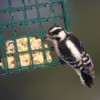
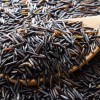
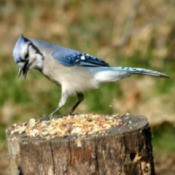
 I buy birdseed in bulk. I feed my birds, safflower, thistle and sunflower seeds, wild bird seed and peanuts for the squirrels and blue jays. I buy the wild bird seed locally, usually a 40 lb bag comes out the cheapest.
I buy the specialty seeds in bulk online. The bags are usually 40-50 lbs, but the price comes out to approx $1 and change for the birdseed. In stores, you pay over $2 a lb. That's how I figured it anyway. Several of the places that sell it in bulk online will ship free. Sometimes even paying $50 or $60 for shipping, it still comes out cheaper than buying in store.
When it gets here, the bags are wrapped tight or in tear proof bags. I just put the big bags in two metal trash cans with lids. Then I bungee cord the lid to the handles just to make sure the smart squirrels don't get in there.
When I'm filling birdfeeders, I just bring the feeders to the cans, have a seat and scoop and fill. I've been doing this for years and it's worked out really well for me.
By lkaserman from Maryland
This page contains the following solutions.
Watching birds arrive daily to enjoy the food and water we provide for them is an enjoyable hobby. However, buying bird seed can be expensive.
When you have finished roasting your chicken (or other meat, fish, etc.), let the fat cool a little, cover with porridge oats, and sprinkle onto your bird table. The birds love it and it's your very own 'fat balls' for our feathered friends.
Make your own bird seed by saving the pulp and seeds from squash and other vegetables and spread it thinly on a plate or tray.
I buy chicken scratch from the local feed store and it is quite a bit cheaper than birdseed.
Whenever you purchase wild birdseed, always place it in the freezer for 48 hours before opening bag. This will kill any insects present such as confused flour beetles.
Here are the questions asked by community members. Read on to see the answers provided by the ThriftyFun community.
I want to know if hen scratch feed is good for my birds. I have doves, sparrows, red birds, and blue jays.
By TRS
I don't see why it wouldn't be. I mix whole and cracked corn with bird feed and the birds pick out what they like. I have noticed that in the winter, most select the black sunflower seeds first, but now they are going after the cracked corn.
I have finches, cardinals, titmice, chickadees, nuthatches, downies, doves, bluejays, and three or four kinds of native sparrows besides English. Starlings meet an untimely end and therefore we have so many native birds, and there does not seem to be as many insects. Birds also like lard - the real stuff - and peanut butter and suet. Some eat the insects that are attracted to the suet.