Aloysia triphylla
may also be sold as Lippia citriodora
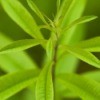
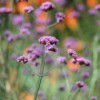
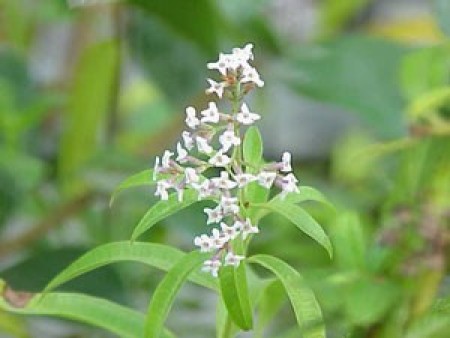
The small lavender-colored flower clusters along the woody stems of lemon verbena are not particularly showy, but the herb is worth growing just for its foliage. The plant's leaves are long, green and ordinary in appearance, but they give off a lively citrus scent when crushed. Lemon verbena grows into a bushy shrub that stands 5 feet tall and 5 feet wide. It can grow taller in warmer climates, or be kept smaller if grown in containers.
tender deciduous shrub
full sun to partial shade
Start plants with cuttings taken in the summer. Lemon Verbena prefers to grow in fertile, loamy, well-drained soil with a neutral pH, and should be planted in a protected area. Plants are not frost-hardy and will not survive cold or even mild winters outdoors. Northern zones can grow them in containers and move them to a greenhouse or indoors for winter. Lemon verbena should be cut back hard in the winter (within 12 inches) to keep its compact shape.
cuttings or seed
leaves
Cut leaves from plant as needed. Dry and save leaves from stems taken during pruning. Leaves contain the highest concentrations of oil in the early evening hours.
sedative; digestive aid
teas; salads; butters; meat and poultry stuffing; flavored syrups
skin and hair products; sachets
Add your voice! Click below to comment. ThriftyFun is powered by your wisdom!
Hello I have had a lemon tree for several years indoor, and it had a few lemons on it when i received it as a gift but is yet to provide any more for several years, it is about 3 feet tall,, what can i do to soil or the tree to promote the plant..thanks
Add your voice! Click below to comment. ThriftyFun is powered by your wisdom!