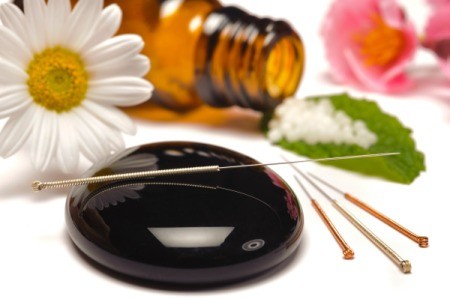
If alternative medicine like acupuncture and aromatherapy can help humans, why can't they help your pets, too? Many types of alternative medicine are perfectly safe and beneficial for your four-legged friends.
Add your voice! Click below to comment. ThriftyFun is powered by your wisdom!
I try to remain open minded about alternative therapies, but I wonder how an acupunture or aroma therapist can know if an animal is feeling better after a treatment. How do they tell you they are no longer in pain, as a human would? Is it a case of making the human feel better, or the animal?
Anyone who considers alternative therapies might be wise to first consult www.quackwatch.com to get a consumer's watch, rational, and skeptical point of view about these things before they part with the big bucks that "alternative medicine" practitioners usually charge for their services.
Just an alternative point of view and some food for thought... :-)
I do preventative maintenance with nutrition....God's Medicine! I have to defend acupuncture though (from a well trained individual) because I have met people that have had dramatic results (same with reflexology...if you have a headache, find a sensitive spot on the fleshy part between your index finger and thumb, then apply pressure, it has to be on the same side of body.) It is amazing what the Chinese/Japanese know, and it shows by their longevity!
I use Juliette de Bairacli Levy's The Herbal Handbook for the Dog and Cat, and have found it to be absolutely without peer. I have dachshunds, and one was sick, the other not. I gave what was suggested, the healthy one would not touch the medicine the sick one wolfed it down and was fine the next day. That convinced me, along with the incredibly healthy dogs I've always had and the lack of vet bills. My dogs are not snappy, but they are bright and intelligent.
Last year, I was given a six yo daschie, his coat was so dull and smelly from the "normal" diet. Within a few months, having had his system cleaned out by the diet she recommends, his coat is shiny and the only time he is smelly is either when he rolls in something nasty (a very doggie trait as we all know!), or needs his ears cleaning out.
So de Bairacli Levy does it for me! And my dogs and cat. Dominus tecum, Leonie in Australia
I have heard that acupuncture is very good for pets - such as a dog with arthritis. There are professional vets that offer this service.
Add your voice! Click below to comment. ThriftyFun is powered by your wisdom!