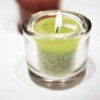
 Candles are wonderfully therapeutic and burning them can provide you with a increased sense of health and well-being. Not only do they provide us with an ambient source of light, but if scented they can also provide us with all of the benefits of aromatherapy while in the comfort of our own home. Unfortunately, not all candles burn equally. In fact the very additives that make them burn slowly, look pretty, and smell pleasant, can be harmful to your health.
When purchasing candles, examine the wick closely for a visible "wire" in the center. Container, pillar, votive, and tea light candles are the candle types most likely to contain metal cored wicks. Sometimes the wire is hard to see, so use your fingers to peel back the cloth covering on the wick if you have to. If you see metal, contact the manufacturer and ask them if they use lead cored wicks in their products. If you don't get an answer, select a different candle!
Evidence as to whether zinc or tin core wicks are harmful to human health is inconclusive, however some tests suggest that burning them may also pose a significant health risk, as all non-ferrous metals also contain trace amounts of lead.
Look for "safe" symbols on the packaging. Many candle manufacturers now use icons advertising their products as "no lead" or "safe wick" candles. Beware of candles claiming to be "soot-free" or those that promise to be "clean burning". No candle can be truly "soot-free", but candles made from natural materials won't produce sticky, petroleum-based residues.
Buy your candles from trusted sources. Lead core wicks were discontinued and have not been manufactured in the United States for several years. However, some imported candles that contain lead wicks are still being allowed onto shelves in the U.S. If you're unsure what the wick is made of, contact the vendor or manufacturer. If no one can tell you, don't buy it. Remember, cotton or hemp wicks are considered the safest.
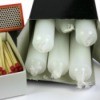
Make your own candles using natural materials. It's fun, it's easy, and it's one way to know exactly what you're burning.
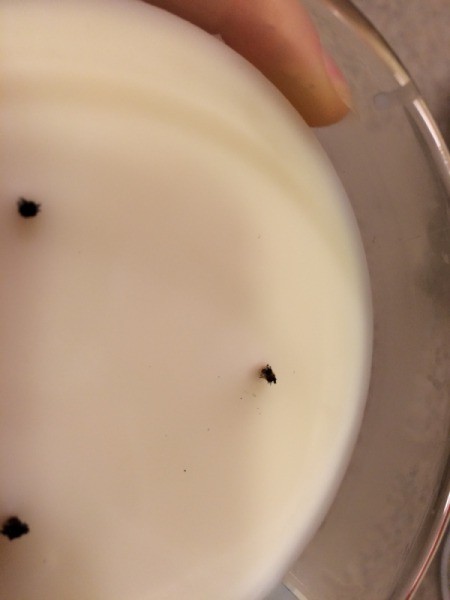
Burn wisely. A candle burning in a drafty location will still emit particulate matter into the air no matter what the wick is made from. The same is true for a wick that is too large for a particular candle-it will flare and burn less cleanly. For cleaner and more complete combustion, keep candles away from open windows and drafty doorways. Avoid burning candles scented using synthetic fragrances (natural essential oils are better) and candles that leave a trail of black smoke while they're burning. Keep all wicks trimmed to 1/4 inch and always use a snuffer to put out a candle's flame.
This page contains the following solutions.
Cut your candle wick before you relight it. It will not smoke as much. That smoke adheres to walls, making it necessary to paint sooner.