Home |  Index |  Submit Request |  Share Photos |  Share Tips |  Active Topics |  New Feedback  |  Contact Us  |  Search
 User Login:  Username:    Password:      Forgot It?  | Register

 Popular Topics
 - Beauty
 - Budget and Finance
 - Christmas *
 - Cleaning
 - Consumer Advice
 - Craft Projects
 - Craft Tips
 - Food Tips
 - Garage Sales
 - Gardening
 - Gifts
 - Green Living
 - Home Improvement
 - Organizing
 - Parenting
 - Parties
 - Pest Control
 - Pets
 - Product Reviews
 - Recipes
 - Repair
 - Thanksgiving
 - Weddings for Less

More Topics

Google Search:

Web thriftyfun.com

About:
RSS Feed
About Us
Media
Advertising
Contact Us
Privacy Statement
Disclaimer

The Best Houseplants for Low Light

By Ellen Brown
1x1
Date: 05/08/2008 Topics: Gardening > House Plants | Photos > Garden  
1x1
1x1
Post Feedback! | Email Friend | Print | Get Responses | Bookmark | del.icio.us | Link | Rate: Thumbs Up Thumbs Down
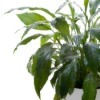
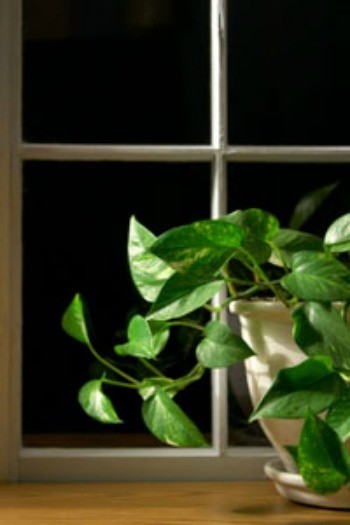
Philodendron scandens oxycardium (Heart-leafed philodendron)
If you find that you have a brown thumb when it comes to growing houseplants, existing light conditions may be the biggest factor standing in the way of you and success. Selecting plants to grow indoors is similar to selecting plants to grow outdoors. But instead of selecting the right plant for the right site, you need to choose your houseplants based on your available light.

Signs Your Plant Needs More Light

  • Leaves are small and pale.
  • Blooms on flowering plants are poor or absent.
  • Growth is stunted or spindly (abnormally long spaces between leaves)
  • Lower leaves turn yellow, dry up and fall off.

Low Light vs. No Light

The amount of windows, the direction they face, and curtains and blinds all have an impact on light levels. And although no indoor plants will grow without light, many are capable of adapting to low-light conditions. Low light areas, for example, interior areas like coffee tables that are well away from windows, can be defined as a poorly lit areas where there is still enough natural light available to read a book or newspaper. In houseplant books, low light plants may be referred to as shade plants.

Duration vs. Intensity

Light intensity requirements vary from plant to plant. Low light plants need between 50 and 250 foot-candles of light intensity. ( A foot candle is the amount of light received by by 1 square ft of surface area, located 1 ft away from a candle.) Under artificial lights, some low light plants can be maintained at as little as 10 foot-candles. The duration requirements among plants (the amount of light available to a plant each day) are more constant. Plants need somewhere in the range of 12-16 hours of light each day to maintain active growth. This can be maintained with natural or artificial lights, but any less, and growth slows.

Plants in a Windowless Office

A lack of windows at the office is all the more reason to fill it with plants, and many low-light plants adapt well to this environment. Not only do they add color and warmth to an otherwise sterile environment, but introducing an element of nature into a stressful environment has a calming and soothing effect on one's nerves. As an added benefit, they clean and purify the air. The plants listed below can be maintained reasonably well in an office environment using only fluorescent lights.

Special Care Needs

These plants are willing to adapt to less than ideal light conditions, but in return, special attention should be taken to ensure that their other growing requirements are met. Finding out exactly what those requirements are will require some research on your part. Care begins with the soil. Use a good quality potting soil and be careful not to over water them. Container plants depend on you to receive their nutrients, so to keep them happy, keep them fed. Most low light indoor plants like reasonably warm temperatures (similar to an average house), but they vary in humidity requirements. Keep plants away from heating vents and protect them from cold drafts. Even though these plants tolerate low light, if occasionally they can be moved closer to a window where they can take in more light and get some fresh air, they'll appreciate it. Don't suddenly place them in direct sunlight. Ease them into it, or the shock may cause them to drop their leaves.

Compensating for No Flowers or Faded Foliage

In general, flowering houseplants and plants with colored foliage grow best in more light.

And while some can be maintained in lower light, blooms are poor (or non-existent) and foliage tends to fade. An easy way to add color and interest is by using decorative containers. Instead of going with a solid color or traditional shape, use pots with bright patterns and containers with interesting shapes. Add whimsical plant stakes or small figurines to pots and planters for a personalized touch.
Plants Known for Tolerating Low Light:

  • Aglanoema spp. (Chinese evergreen)
  • Aspidistra elatior (Cast iron plant)
  • Asplenium nidus (Birds'nest fern)
  • Asplenium bulbiferum (Mother fern or, Hen-and-chick fern)
  • Chamaedrea elegans (Bella parlor palm)
  • Dracaena deremensis (Janet Craig)
  • Draceana draco (Dragon plant)
  • Dracaena fragrans (Cornstalk plant)
  • Dracaena sanderiana (Ribbon plant, also sold as "Lucky Bamboo")
  • Epipremnum aureum (Pothos)
  • Fittonia argyroneura nana (Snakeskin plant)
  • Fittonia argyronuera (Silver leaf net)
  • Fittonia verschaffeltii (Painted net leaf)
  • Helxine soleirolli (Mind your own business or, Baby's tears)
  • Philodendron scandens oxycardium (Heart-leafed philodendron)
  • Sanservieria spp. (Snake plant, also Mother-in-law's tongue, sword plant)
  • Spathyphyllum spp. (Peace plant)

About The Author: Ellen Brown is an environmental writer and photographer and the owner of Sustainable Media, an environmental media company that specializes in helping businesses and organizations promote eco-friendly products and services. Contact her on the web at http://www.sustainable-media.com

Jump to Feedback | Post feedback
Related Links:
Previous: The Seasonal "Locavore": Guidelines for Healthy Eating When You Can't Eat Local ThriftyFun Next: Problems With Finish On Hardwood Floors
1x1
 Feedback
1x1
1x1
1x1
1x1
 Sponsors
1x1
1x1

Post by kimhis (702) | (05/09/2008)
Contact
Thank you, I'll use those botanical names and do websearches with them, and fill our almost-windowless office with some life and oxygen!

Report Spam or Abuse


1x1

Post Feedback:
Login using the form on the top of the page to post feedback if you have registered with ThriftyFun. If you have not yet registered, click here. It's FREE!. If you are not registered you can post feedback as a guest below. Please don't use your email address for your name because spam robots can dredge it from our site. Please do not post your feedback more than ONCE. We need to approve all guest feedback and it may take from minutes to hours for that to happen.
(1x1 graphic )
Your Name

Subject

Feedback

text tool text tool text tool text tool

Image Upload: Add an image to your post! Click the "Browse" button below and select an image from your hard drive. Please only select gifs or jpegs. If you have any problems, just email the image to images@thriftyfun.com


If you want to post your email address for responses from readers, obscure it in some way like put spaces between the name and @ sign and service address with (remove spaces) behind it or name (at) server (dot) com . This is for your protection from those creepy Robots.

(1x1 graphic )

© 1997-2008ThriftyFun.com - Design by Cumuli Design
Disclaimer: ThriftyFun.com cannot accept any responsibility for any injury or damage that you may cause to yourself, others, or property when following any advice given on this site. Read the full disclaimer. If you find any information on ThriftyFun.com or in our newsletters that is either erroneous and/or potentially harmful to others, please Contact Us, immediately.