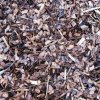
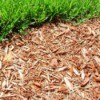
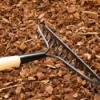
Have you mulched your leaves yet? After spending years raking up those fall leaves, I got pretty tired of having a second set of leaves fall from the Oak trees. I decided to make short work of the job by using my mulch mower and ran the mower over the leaves, which mulched them all and enriched my lawn happily at the same time. The lawn may not be as neat and tidy, but it sure will be happy having all that extra fertilizer on it, and it will be even happier next spring, and so too will you! Go mulch those leaves!
Source: Gardeners around the globe
By karen from Davis, CA
Add your voice! Click below to comment. ThriftyFun is powered by your wisdom!
Hello !
The problem with using tree leaves is that some trees protect themselves from the concurrence of others trees or plants or from the concurrence of their own seeds that could root close to them. To avoid this they produce toxins which can be in their roots in their branches and in their leaves and will enter the soil to make it toxic for germination. One of the best at this is the walnut tree and others of its family like the Black walnut, pecan, hickory, Carya, Engelhardtia, Juglans, Platycarya, and Pterocarya.
We also make a pile in the back of the yard and let it turn into mulch (by the next summer, takes a while to decompose). Great way to save on the mulch bill!
I have a large maple in the front yard. I used to mulch the leaves but too much mulch killed the grass. Took several years to recover.
You can give back most of the nutrients your trees and plants used, with mulch from or close to the same place the leaves and other plants got it from. Same with small woody branches. Chop them up best you can and put near the plants.
Decomposition can sometimes be speeded up with natural bacterias. Look in your favorite gardening store for organic methods. Compost piles are wonderful. Recycle the life, then you won't need fertilizers which can be poison to the water nearest and farthest from you. Diseased plants should be treated differently, no poisons please. Treat the earth gently, you are given everything you need to survive from this planet.
Oak leaves are high in tannic acid which might be hard on your lawn.
Add your voice! Click below to comment. ThriftyFun is powered by your wisdom!